

Navratri brings nine days of prayer, fasting and changes in eating habits. With the festival beginning, many people are deciding what to put on their plates while observing the fast. A fasting diet needs more thought than simply avoiding certain foods.
Poorly balanced meals can leave you hungry long before the next meal, making it difficult to maintain your usual routine. Fried snacks, potato dishes and sweet drinks may be convenient choices, but they do not always supply enough protein and fibre. Choosing more nourishing alternatives can make the difference between a tiring fast and one that is easier to manage.
10 Healthy Foods to Eat During Navratri 2026
Many households turn to sabudana tikkis and potato-based dishes during Navratri. These foods can be included in a fasting menu, but depending on them too heavily may leave important nutritional needs unmet. Including a wider range of vrat-friendly foods can help you feel satisfied for longer and support steadier energy throughout the day.
1. Fresh Fruits
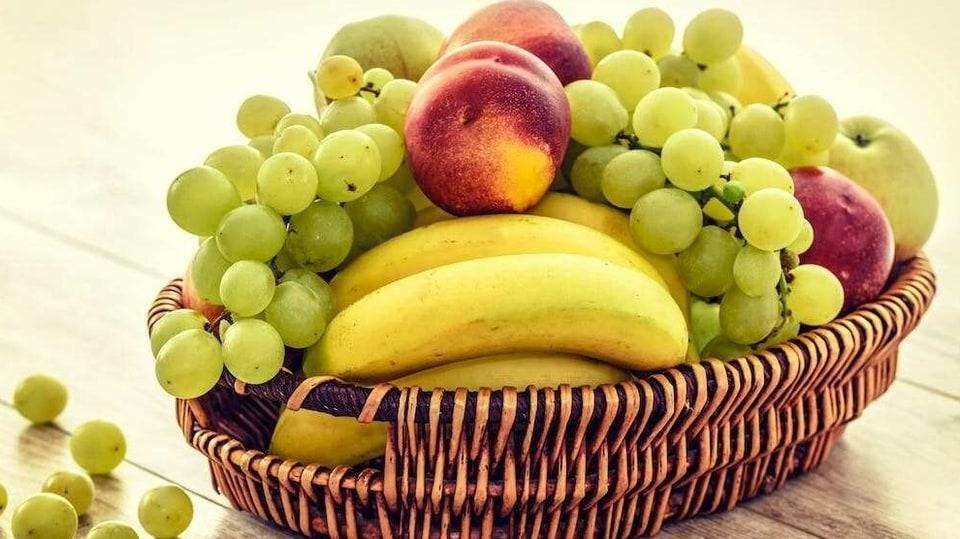
Fruit makes a useful addition to a Navratri fasting menu. Apples, oranges, papaya, guava and kiwi are among the choices worth considering. They supply water, vitamins, minerals and fibre, as well as carbohydrates that provide energy. The best choice depends on what is available and what suits your diet.
A few nuts alongside your fruit can make a light snack more filling and add some protein. There is also a good reason to eat fruit whole. Unlike juice, whole fruit retains its natural fibre, which helps digestion and can keep hunger away for longer.
2. Try Sweet Potatoes for a Change
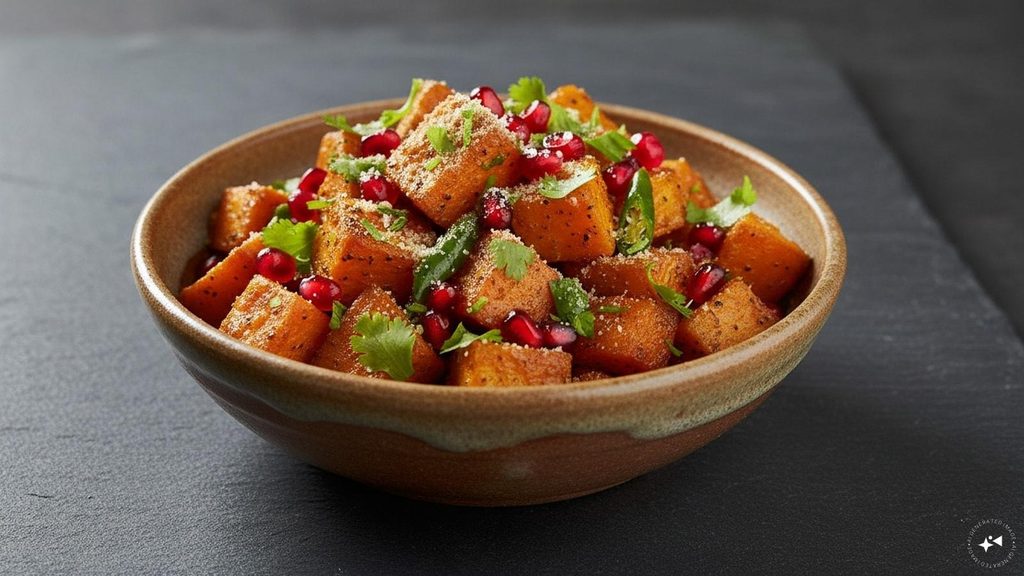
Add sweet potatoes to the list of your regular potato dishes in your fasting diet. Roast or boil it and finish with some lemon juice and sendha namak, if allowed. Serve it with some plain curd for a light meal. Skip the sweet toppings and give them a twist of their natural sweetness to your regular food.
3. Prepare a Simple Makhana Snack
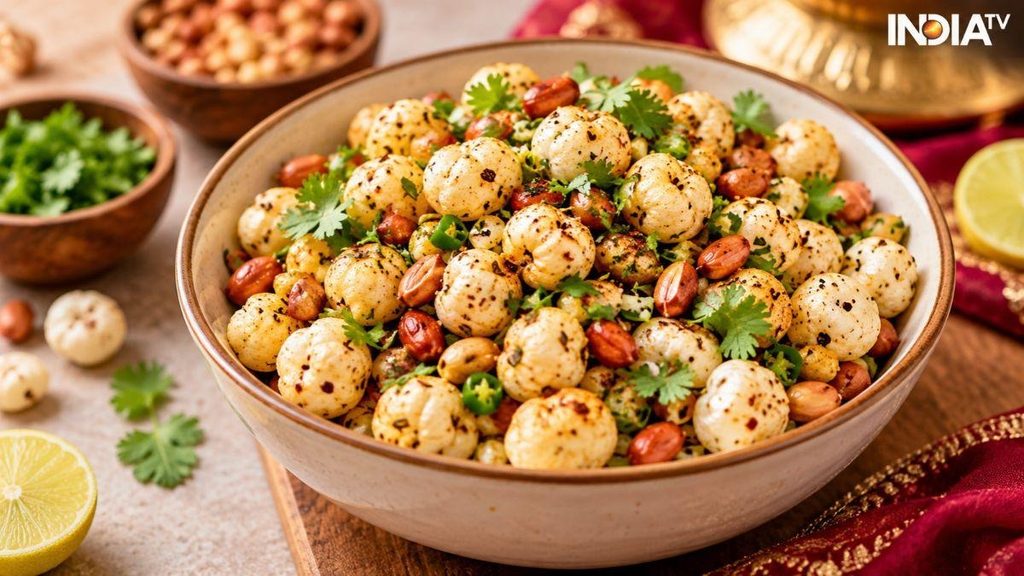
Makhana can be another healthy but exciting addition to your Navratri snacks. Roast them with some ghee, adding only the spices allowed in your fast. Set aside some for your teatime in between meals. Instead of the usual preparation, you could also mix makhana in hot milk to have a different option.
4. Put Amaranth and Buckwheat on the Menu
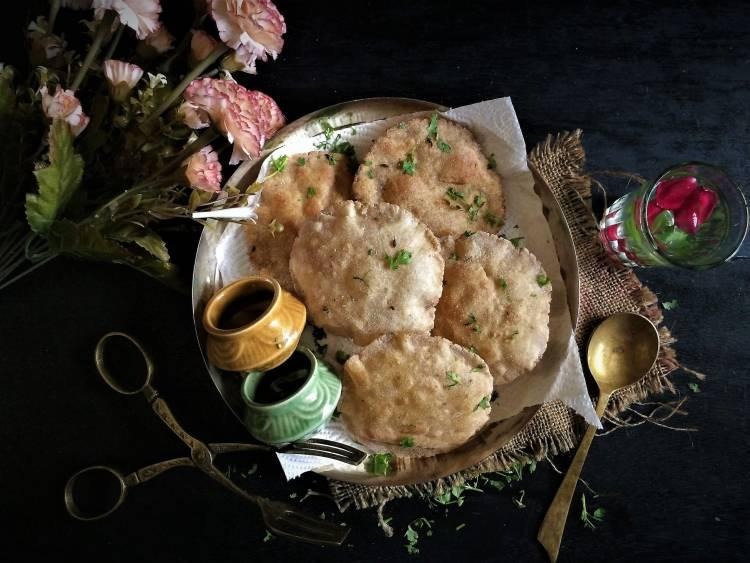
Amaranth and buckwheat offer useful alternatives when ordinary grains are off the menu. Both provide carbohydrates, and they also contribute minerals and some protein.
Use buckwheat flour to make a thin pancake, or simmer amaranth with milk to prepare kheer. A little jaggery can sweeten the pudding. Pair these dishes with other nutritious foods to keep your meals varied and balanced.
5. Make Barnyard Millet a Part of Your Meals
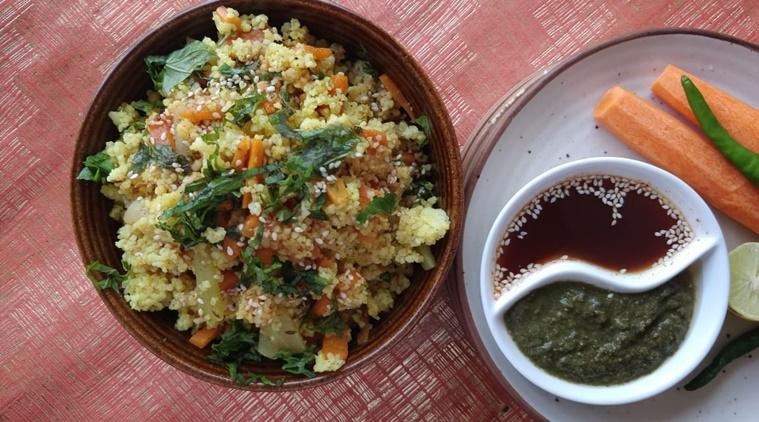
Barnyard millet, commonly called samak ke chawal during Navratri, can replace rice in many familiar dishes. It provides carbohydrates and some fibre, making it a useful addition to a varied fasting menu. For a simple meal, cook the millet with permitted vegetables and mild spices to prepare khichdi.
You can also make a pulao if you prefer something less soft in texture. Serve it with plain, chilled curd for added protein and a pleasant contrast in temperature.
6. Include Bottle Gourd in Your Cooking
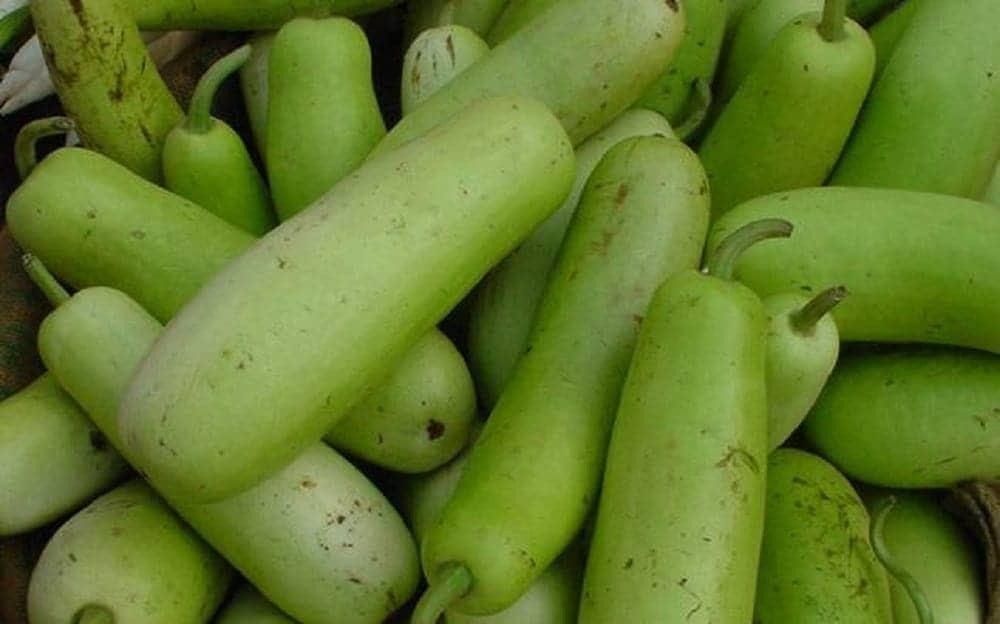
Bottle gourd could also be a good addition to your monotonous diet of fasting foods. You could cook this vegetable by adding spices permitted in your fast. Alternatively, you could mix grated and cooked bottle gourd with some plain curd. Stick to what your family’s vrat rules dictate in terms of ingredients. Have it with a vrat flour roti instead of preparing another fried item for lunch.
7. Make Room for Protein
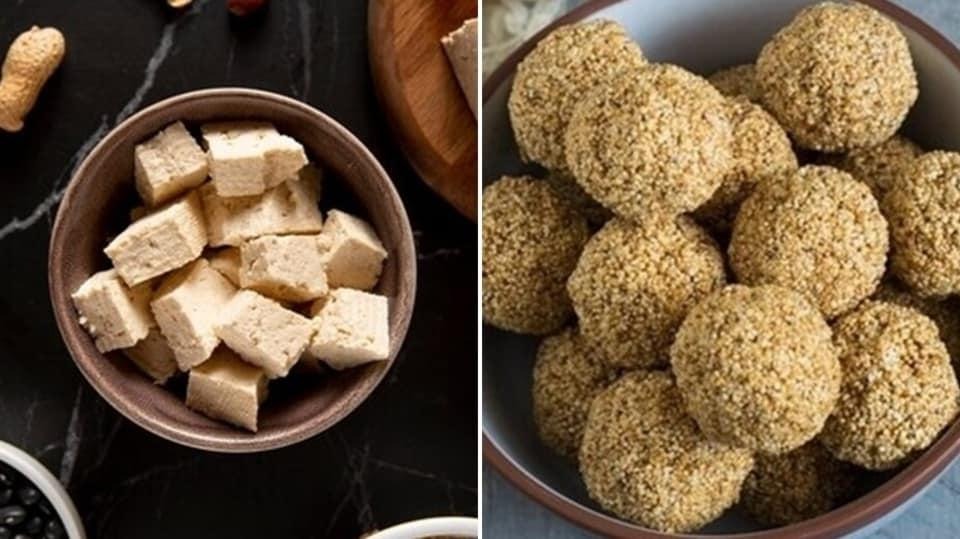
A fasting diet can easily become heavy in carbohydrates and short on protein. This is worth paying attention to when planning meals for the nine days of Navratri. Protein helps the body maintain and repair its tissues, so it should not be an afterthought. Milk, curd and paneer are useful choices for those who consume dairy. Nuts and seeds offer another option, while certain legumes may also fit the rules of your fast.
8. Use Nuts and Seeds Wisely
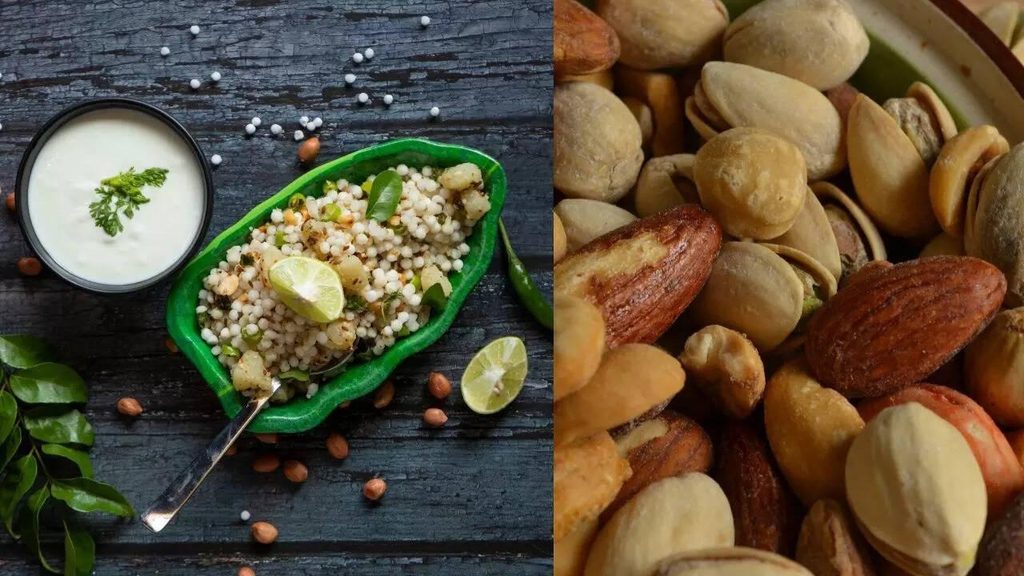
Nuts and seeds supply unsaturated fats, along with other nutrients, and can make a snack more satisfying. Almonds, peanuts, pumpkin seeds and chia seeds are all worth considering. Sprinkle a modest amount over curd or mix them into a bowl of fruit.
These foods pack considerable energy into small portions. So, a handful may be enough to improve a snack without adding an excessive number of calories to your daily intake.
9. Keep Drinking Water Throughout the Fast

A long day without enough water can leave you feeling sluggish and make it harder to concentrate. Make a habit of drinking water at regular intervals instead of waiting for thirst to set in. Plain water remains the simplest choice. Coconut water and lemon water can offer some variety, provided they fit your dietary needs. The important thing is to maintain your fluid intake throughout the day.
10. Give Vitamins and Minerals Their Due
The body requires vitamins and minerals to function properly. If most meals consist of starchy foods, nutrients such as iron, calcium and B vitamins may receive too little attention. The answer is to choose a wider range of ingredients and make each one serve a purpose.
- Vitamin A and Beta-Carotene: Carrots, sweet potatoes, spinach and kale are useful sources.
- Vitamin C: Citrus fruits, bell peppers, strawberries and broccoli can help supply this nutrient.
- Folate (Vitamin B9): Leafy greens, beans and lentils provide folate, although you should check which foods your fasting rules permit.
There is no need to make every meal complicated. Start with a carbohydrate source allowed during your fast, then add some protein and a portion of fruit or vegetables. A little healthy fat can complete the meal. The aim is to eat sensibly within the limits of your religious observance.
Conclusion
Navratri fasting doesn’t have to be about eating sabudana khichdi, fried potatoes and drinking tea occasionally. Adding some variety can make the nine days more fun and keep you energised and satisfied. There are plenty of options to make traditional vrat meals nutritious, from fresh fruits to protein-rich dairy to makhana, sweet potatoes, buckwheat and barnyard millet.
Another tip is to drink plenty of water and be mindful of portions, particularly when fasting falls during a hectic workday or when there are chores to be done at home. The key is to make smart food choices instead of letting hunger be the deciding factor. Of course, there are differences in fasting among families, so be sure to find out which ingredients are allowed before trying out something in the kitchen.

Amit Gupta is a 2015 graduate of RTU in Rajasthan, India. After working over a decade as an additional writer at News article, he decided to start his own news publication. He mainly focuses on entertainment, Movies, Web series articles and editorials. He likes to listen to music and play cricket in his free time. Follow On Facebook.
.