
R Madhavan has made a career of stepping into roles that demand something different from him. His latest film takes that habit further. In GDN, he plays GD Naidu, the Indian inventor and industrialist whose life was marked by experiment, failure and persistence. The biographical drama was released worldwide on August 7, 2026, and has quickly become a subject of discussion among audiences.
Yet the man at the centre of the film is more remarkable than the character alone might suggest. Naidu lived at a time when India had very little industrial power of its own, but he spent much of his life trying to change that. Here is the story of the real GD Naidu, whose life has now been brought to the screen by Madhavan.
GD Naidu Biography: The Real-Life Inventor Behind R Madhavan’s GDN
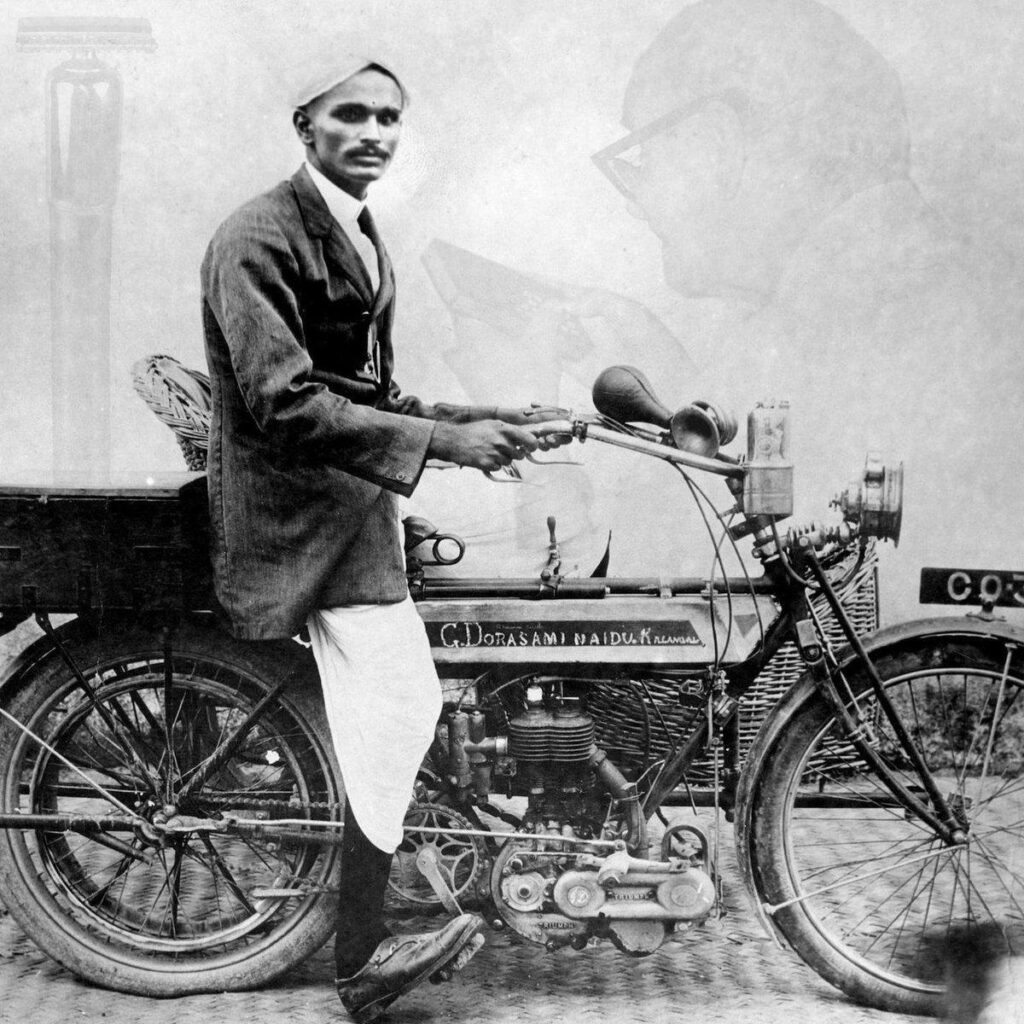
The name behind Madhavan’s character is Gopalaswamy Doraiswamy Naidu, though he is far better known as GD Naidu. He was born on March 23, 1893, in Kalangal, near Coimbatore. From relatively modest beginnings, he went on to become an inventor, engineer and industrial pioneer, earning considerable respect for his work. His path was not a simple one.
Naidu experienced failure more than once, but he continued to experiment and build. Eventually, his achievements made him one of the notable figures in India’s early industrial history. His reputation became so great that he was given a striking nickname: the “Edison of India”. To understand that comparison, however, one must first look at the work and ideas that made Naidu famous.
There was little in GD Naidu’s early life to suggest that he would become a famous inventor. He left school while still young. Books did not interest him as much as machines did. He wanted to see how things worked. More importantly, he wanted to take them apart and find out for himself. That habit of learning through his hands would shape the rest of his life.
Naidu’s curiosity soon pushed him beyond observation. According to reports, he once saved enough money from his job as a hotel server to buy a motorcycle. Most people would have treated it as a prized possession. Naidu did something else. He took the machine apart. Then he put it back together. He wanted to understand every part and the purpose it served.
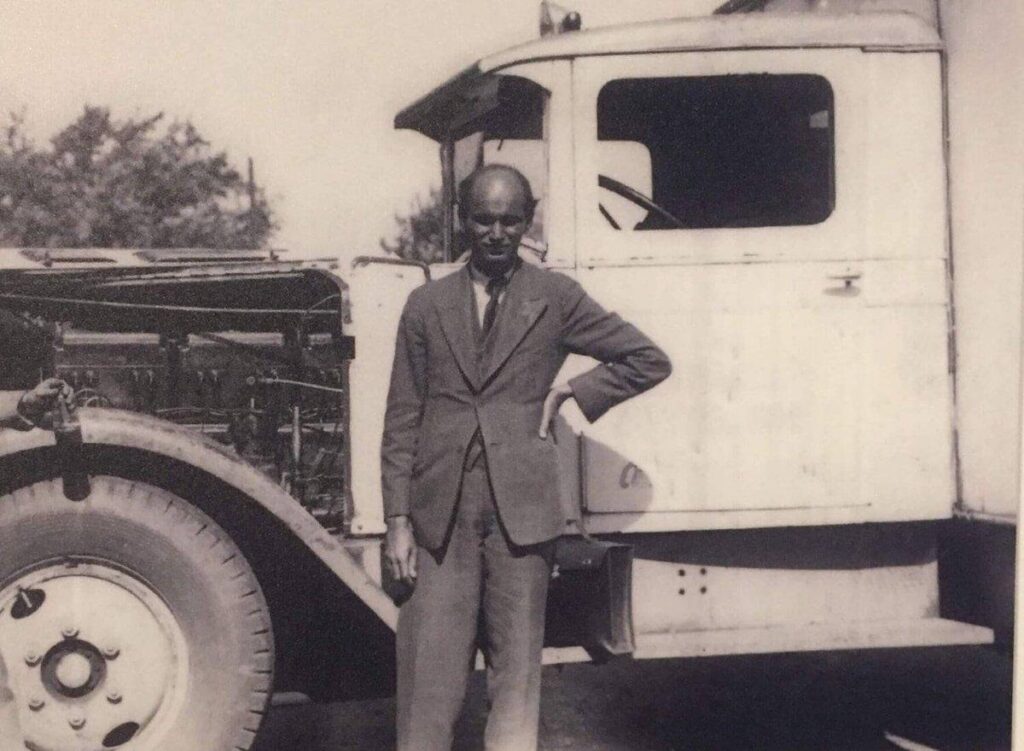
That same urge eventually led him into business. During the 1920s, Naidu started a transport service with just one motor coach running between Pollachi and Palani. The small operation grew. It later became Universal Motor Service (UMS), which developed into one of the most efficient bus networks in India.
Naidu taught himself through work, trial and error. He kept experimenting until machines began to make sense to him. In 1937, this practical approach helped him produce what is widely regarded as India’s first indigenous electric motor. His work also helped set the stage for Coimbatore’s rise as an industrial centre.
Why GD Naidu Was Called the “Edison of India”
GD Naidu earned the name “Edison of India” through his work in science and technology. His life was unusual, but his work mattered just as much. It eventually caught the attention of director Krishnakumar Ramakumar, who drew from Naidu’s story for the biographical film GDN.
https://www.instagram.com/p/DQRtrs3DyBe
Machines were not his only concern. Naidu also turned his attention to agriculture. He experimented with crops and worked on better varieties of cotton, maize and papaya. He saw little value in technology that existed only for its own sake. In his view, it should solve problems and make ordinary life easier.
Madhavan’s performance centres on another part of that story. The film follows Naidu’s fascination with machines, his inventions and his long battle to make the system recognise them. Madhavan, however, has pointed out that this represents only a small part of Naidu’s life. Films and other forms of media have covered only a fraction of what he actually did.
GD Naidu Family: Wife, Son and the Next Generation
GD Naidu’s work often gets most of the attention, but his family also played a part in his story. He was married to Ranganayakiammal. Reports suggest that they married when they were still young. Some early accounts also credit her with supporting Naidu during the difficult years when he was beginning his career.
Together, they had a son, GD Gopal. He later took charge of his father’s industrial ventures and continued his philanthropic work. In this way, the Naidu family carried his work into another generation. GD Gopal later married Chandra Gopal, and the couple had two children, G.D. Rajkumar and Shantini.
Conclusion
GDN could be a biopic of machines, inventions and industrial ambition, but it’s a story of curiosity that never retired. Whether it was dismantling a motorcycle, establishing a big transport company or creating an indigenous electric motor, Naidu was always transforming inquiries into experiments and failures into additional inspiration to keep on tinkering.
His agricultural endeavours also demonstrated a practical philosophy that technology was important when it could make a difference in people’s lives. That, in part, is why his trip is particularly timely in today’s world of innovation, where it’s measured in headlines, funding rounds and shiny product launches.
Naidu’s story is an old-fashioned lesson in the power of real ingenuity: Desire to understand how things work. R Madhavan’s GDN makes that incredible life accessible to a new audience, and allows for a lot of questions to be asked about the man behind the screen. After all, India’s “Edison” certainly had more than one invention up his sleeve.
FAQs
1. Is GDN movie based on a true story?
Yes, GDN is a biographical drama inspired by the life of Indian inventor and industrialist GD Naidu. R Madhavan plays Naidu in the film, which explores his fascination with machines, inventions and his efforts to make his ideas recognised. This is, in other words, one real-life story where tinkering did pay off.
2. Why was GD Naidu called the Edison of India?
GD Naidu was the “Edison of India” for his contributions to science, technology and invention. He was a man who liked to tinker with machines and find solutions to problems. His work was especially significant as India was at that time an underdeveloped nation with limited industrial facilities and his tinkering was far more impactful than most of the garage experiments.
3. What did GD Naidu invent?
Naidu’s created what is considered to be the first indigenous electric motor in 1937. His engineering approach was also practical which helped Coimbatore to become an industrial centre. He wasn’t just interested in machines, but in technology to solve problems.
4. What was GD Naidu’s early life like?
GD Naidu left school early and had a keen interest in machines. He learned more by taking things apart and putting them back together. He even dismantled a motorcycle that he saved up to purchase as a hotel server.

Saurabh Jha is an Entertainment Journalist and Pop Culture Analyst with over 5 years of experience tracking Bollywood, OTT, and Hollywood trends. He specializes in film reviews, box office tracking, and exclusive entertainment break-downs. His deep industry insights have featured in leading digital publications.
Follow Saurabh on Facebook and X for real-time cinema updates.