
Catnip, pyrethrum daisy, lemon eucalyptus, citronella grass, neem, French marigold and lantana are seven plants with evidence of keeping certain insects away, though most work best as oils, extracts or crushed leaves. Some target mosquitoes and flies. Others affect whiteflies, fleas or crop pests. These plants that repel insects do not all work in the same way, and a pot on the windowsill is rarely enough to make a difference. A few can help in a garden bed when planted early.
Why a crushed leaf beats a potted plant
A porch lined with pots may look like a mosquito defence, but the research is less romantic, especially when it comes to mosquitoes. Clemson Extension and Mississippi State Extension report little scientific support for potted plants keeping mosquitoes away.
Most studies tested extracts and oils, not living plants, and Mississippi State says a few scattered pots are unlikely to change mosquito numbers around a home. Rubbing crushed plant material on clothing or skin may help more than leaving it on the porch, though the volatile oils can irritate skin. For plants that repel insects, preparation matters more than the pot. A pot cannot imitate a dose.
The 7 Plants That Repel Insects
1. Catnip
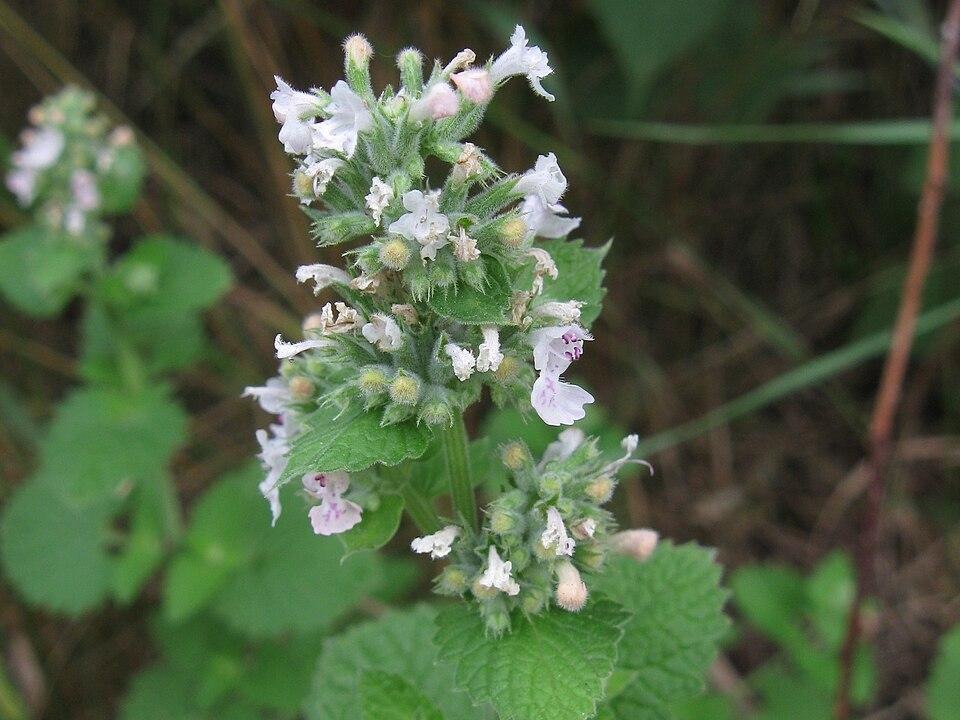
Catnip (Nepeta cataria) belongs to the mint family. Cats know it well. Mosquitoes and flies may dislike it. In a March 2021 Current Biology study, researchers at Northwestern University and Lund University found that its active compound, nepetalactone, activates TRPA1, an irritant receptor in insects, and that mosquitoes were less likely to feed from a human hand coated with catnip.
The compound did not activate the human version of TRPA1, which researchers said supported its safety as a repellent. People have used catnip against insects since at least Pliny the Elder. Cats may still come running, though.
2. Pyrethrum daisy (chrysanthemum)

The pyrethrum daisy (Chrysanthemum (Tanacetum) cinerariifolium) has small, white flowers, and its dried flower heads yield pyrethrins, compounds that can be ground into a powder once called “Persian powder”. Mississippi State Extension says people used it against lice and fleas more than 150 years ago.
Bees can visit the living flowers without harm because the active compounds sit in the seeds until the heads are dried and extracted. Pyrethrins have low toxicity to mammals. Synthetic pyrethroids, including permethrin, were modelled on these molecules. The powder is the useful part.
3. Lemon eucalyptus
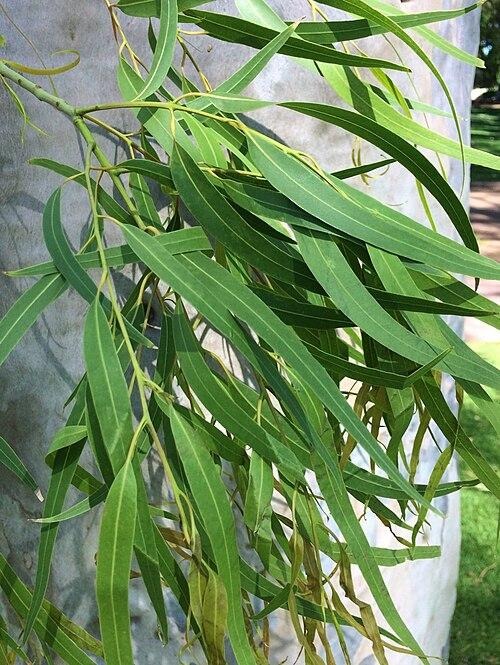
The lemon-scented gum tree (Corymbia/Eucalyptus citriodora) supplies oil of lemon eucalyptus. Mosquitoes and ticks are the targets. Products containing OLE or its synthetic version, PMD, are registered with the US EPA as repellents. The CDC lists them among its recommended ingredients, alongside DEET and picaridin.
Do not confuse these products with pure lemon eucalyptus essential oil. That oil is not EPA-registered and has not been tested in the same way. The CDC says OLE or PMD products should not be used on children under three. Read the label before use.
4. Citronella grass
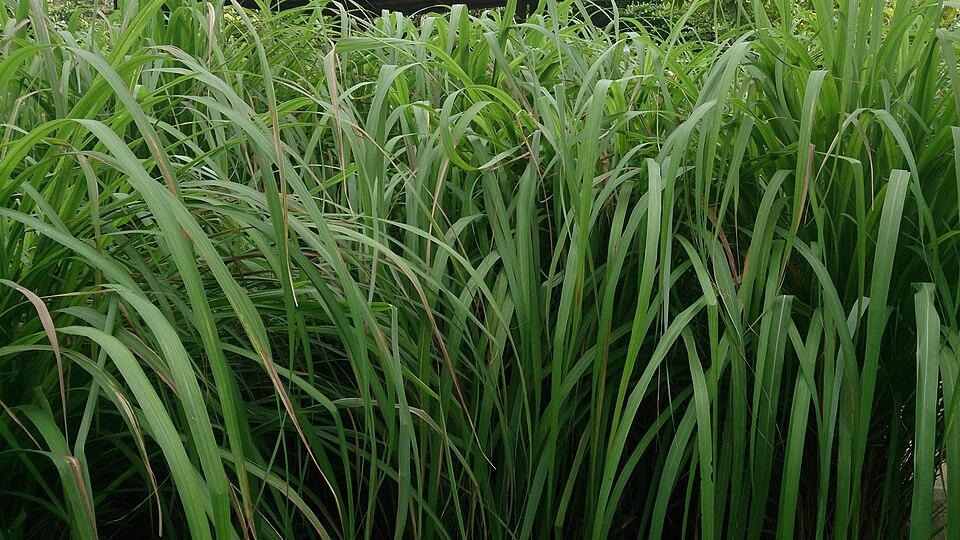
Citronella grass includes Cymbopogon nardus and Cymbopogon winterianus. It is related to lemongrass and native to tropical Asia, and commercial growers cultivate it in Sri Lanka, India and Indonesia.
Its oil has been registered as an insect repellent in the United States since 1948, but the living grass releases too little oil into the air to keep mosquitoes away on its own. Watch the labels at garden centres. Scented geraniums are often sold as “citronella plants”, but they are not the true grass. A pot will not act like a repellent.
5. Neem
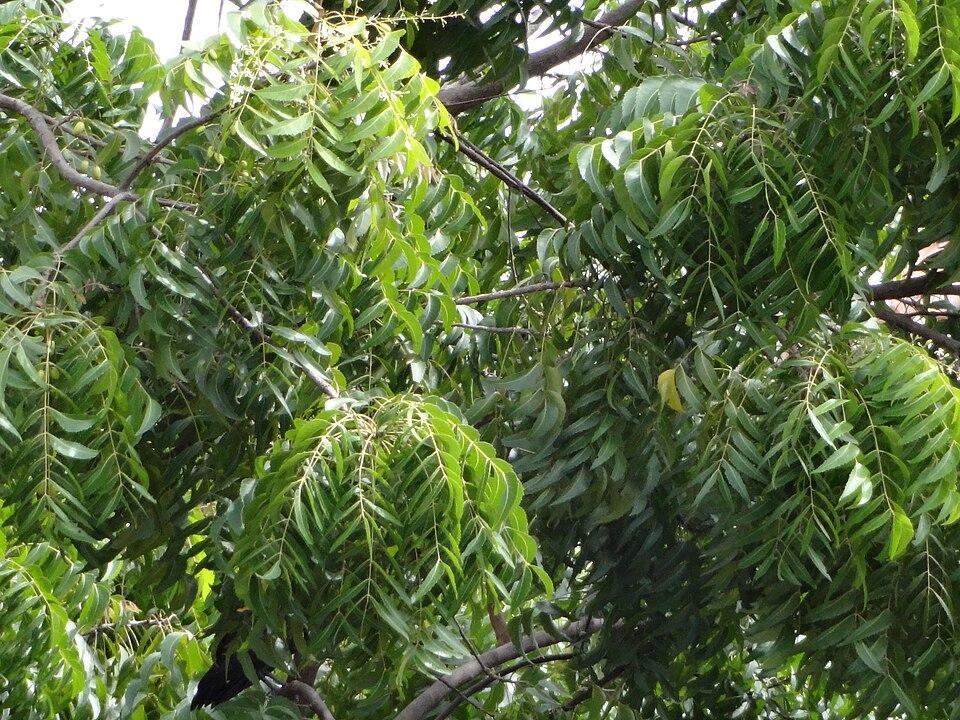
Neem (Azadirachta indica) is useful against garden pests. Aphids, whiteflies, leafminers, caterpillars and mealybugs are among its targets. Its active compound is azadirachtin. EPA-registered neem products may be labelled as insecticides, repellents, antifeedants or insect growth regulators.
An antifeedant stops insects from eating. The product works when pests touch sprayed leaves or feed on them. A neem tree standing beside the vegetable bed is no substitute for a properly labelled plant spray.
6. French marigold
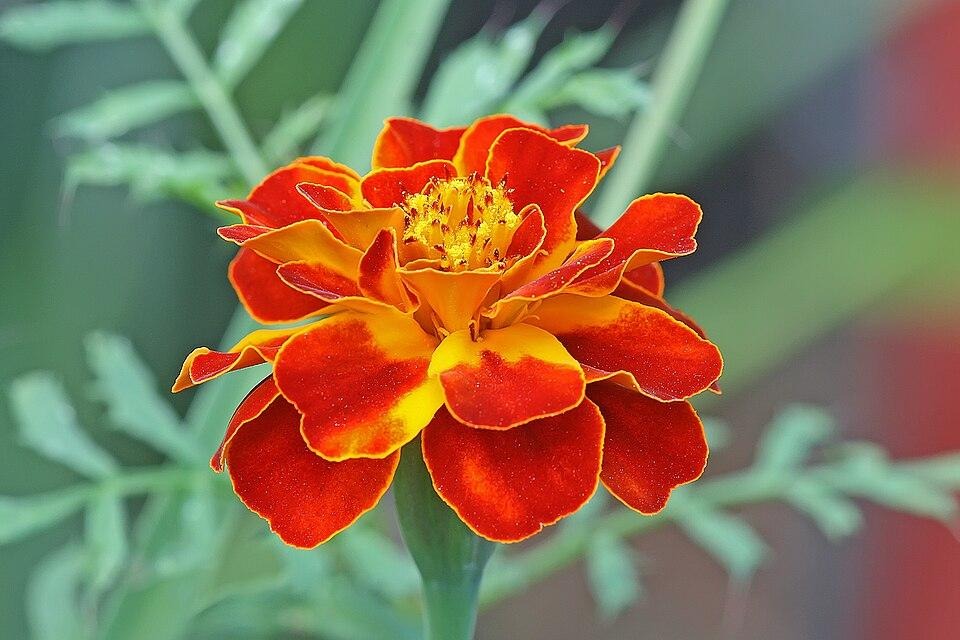
French marigold (Tagetes patula) can help tomatoes resist glasshouse whitefly, but timing makes the difference. A March 2019 Newcastle University study published in PLOS ONE found that marigolds release limonene, a scent whiteflies avoid. When planted among tomatoes from the start, the flowers slowed whitefly population growth.
Adding them as an emergency measure after whiteflies arrived barely helped. Limonene repels the insects without killing them. The flowers need to be there before the trouble begins. The scent deters them rather than killing them outright.
7. Lantana
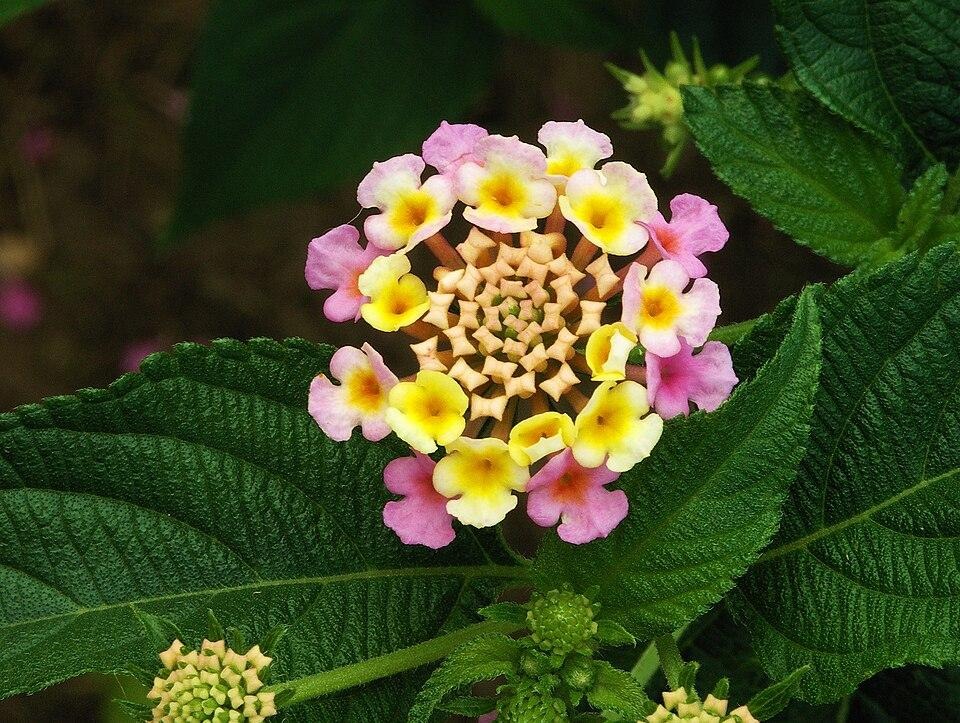
Lantana (Lantana camara) has been tested against malaria-carrying mosquitoes. In a 2011 PLOS ONE pilot study in Tanzania’s Kagera Region, families planted lantana around 231 homes, while researchers compared them with 90 homes without the plants.
The homes with lantana had 56% fewer Anopheles gambiae and 83% fewer Anopheles funestus indoors, and the project cost about US$1.50 per home, including upkeep. A hedge, in this case, was more than a garden border. A pilot study in one region cannot establish the same effect everywhere.
Quick reference table
| Plant | Key compound | Main targets | Best used as |
| Catnip | Nepetalactone | Mosquitoes, flies | Extract/oil |
| Pyrethrum daisy | Pyrethrins | Lice, fleas, household insects | Dried flower powder |
| Lemon eucalyptus | OLE/PMD | Mosquitoes, ticks | Registered repellent |
| Citronella grass | Citronella oil | Mosquitoes | Oil products |
| Neem | Azadirachtin | Aphids, whiteflies, caterpillars | Plant spray |
| French marigold | Limonene | Whiteflies | Companion plant |
| Lantana | Not specified | Mosquitoes | Hedge around home |
Conclusion
The plants that repel insects most convincingly while still growing in the ground are not necessarily the famous ones, since French marigolds can slow whitefly growth beside tomatoes when planted early and lantana showed promise as a hedge around homes in one Tanzanian pilot study. Both examples depend on placement and timing.
The balcony celebrities have a different job. Citronella and lemon eucalyptus do their real work in concentrated products, not as decorative pots. That citronella tub beside the chair may smell reassuring. Mostly, it is decorating the spot where the mosquitoes are having dinner. Gardeners get the pleasure of growing something, and the insects get a more limited invitation.



Miss Shophia is a passionate lifestyle and home blogger who loves sharing insights on gardening, home decor, and home improvement. With a focus on plant care, sustainable gardening, interior styling, DIY projects, and practical home improvement ideas, She helps readers create beautiful, comfortable, and functional living spaces. Through informative guides, creative inspiration, and practical tips, Miss Shophia encourages readers to make their homes greener, smarter, and more beautiful.