

Seven sofa styles have outlasted passing trends: mid-century modern, sectional, modular, boucle, Chesterfield, built-in and low-slung. These shapes are recurring throughout the fashion world. They remain in use because they have the right proportions, they last long and people can get used to them.
The sofa is a big furniture item that will take up a lot of space and can be around for many years. The form is important and should be considered. Whether the room is empty or full, small or large, these classic sofa designs will serve as a good starting point.
7 Best Timeless Sofa Designs Ideas
1. The Mid-Century Modern Sofa
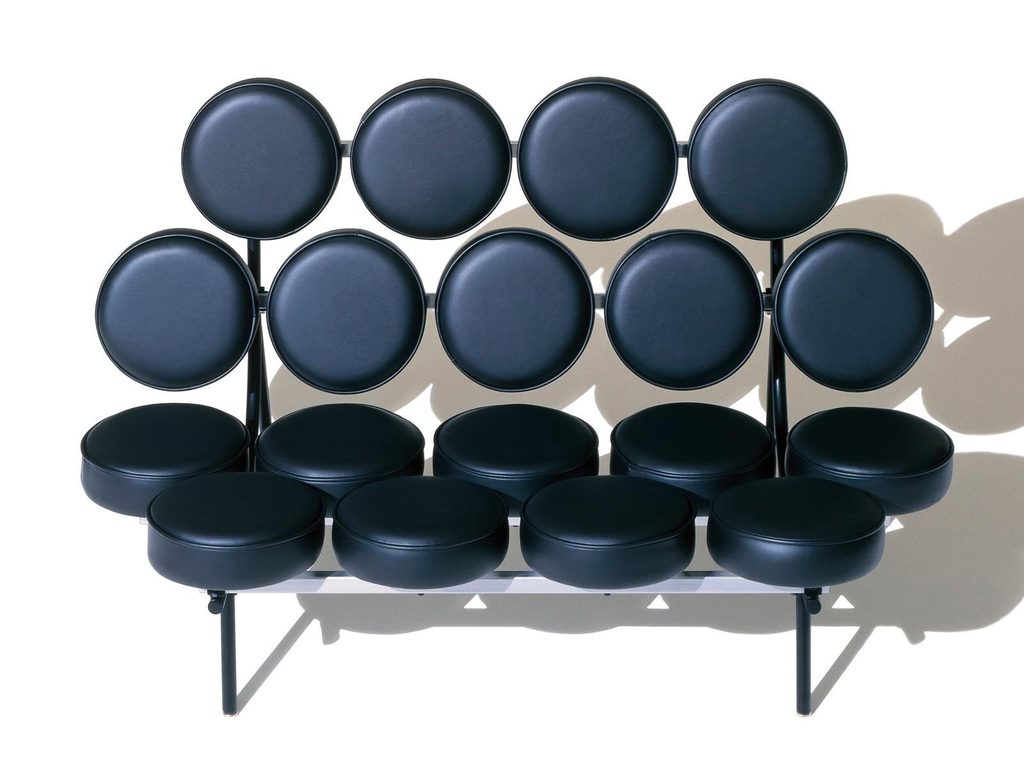
Following World War II, American designers shifted away from massively carved furniture. They preferred long, unobstructed profiles, rounded curves and thin wooden legs.
The lounge collection, which Florence Knoll introduced in 1954, has a geometric outline that is stripped back and inspired by the ideas of her mentor Mies van der Rohe. It is still made by Knoll. The Marshmallow sofa was introduced in 1956 by Herman Miller. For decades, the design was credited to George Nelson, although Irving Harper, who worked in Nelson’s studio, is also credited with the design. Only 186 were made between 1956 and 1961.
Teak, wool and linen clothes are suitable. The form also easily fits into Scandinavian spaces and Indian tropical modern houses.
2. The Sectional Sofa
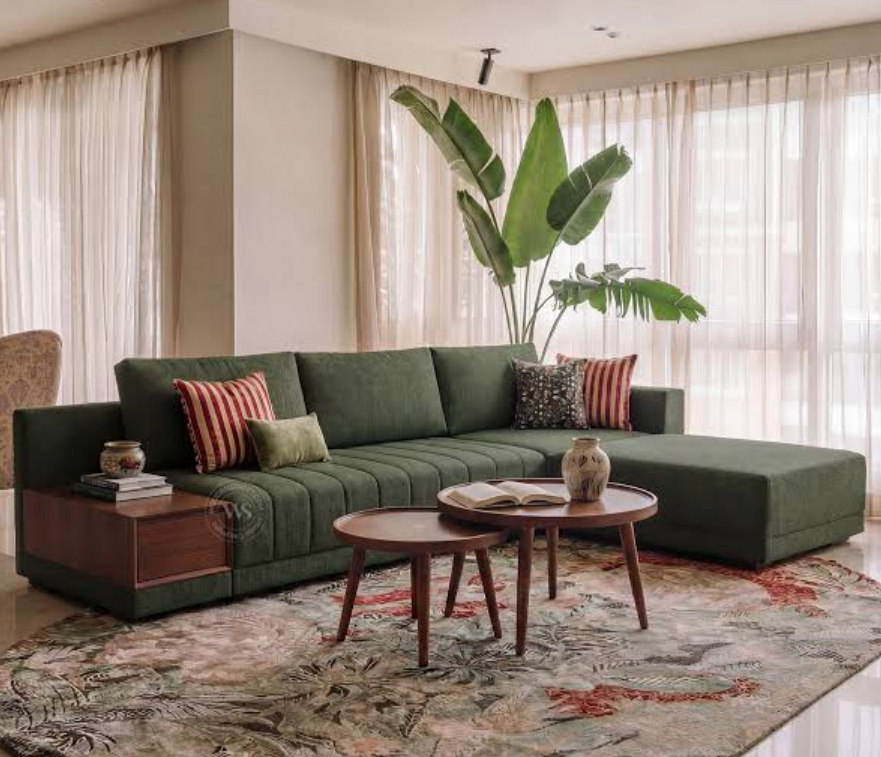
In the 1940s, American designer Harvey Probber invented sectional, modular seating. The concept was a practical one, as the room changed, one sofa could assume different shapes.
A few pieces can be used to create a cozy reading nook. If there are more, the same arrangement is a space for a crowd. Modern examples are usually low, upholstery is in similar colors, and there is space for expansion. A sectional can be used to create a sitting area in an open-plan room, leaving a path through the rest of the room. Some of the planning of the room is done by the furniture.
3. The Modular Sofa
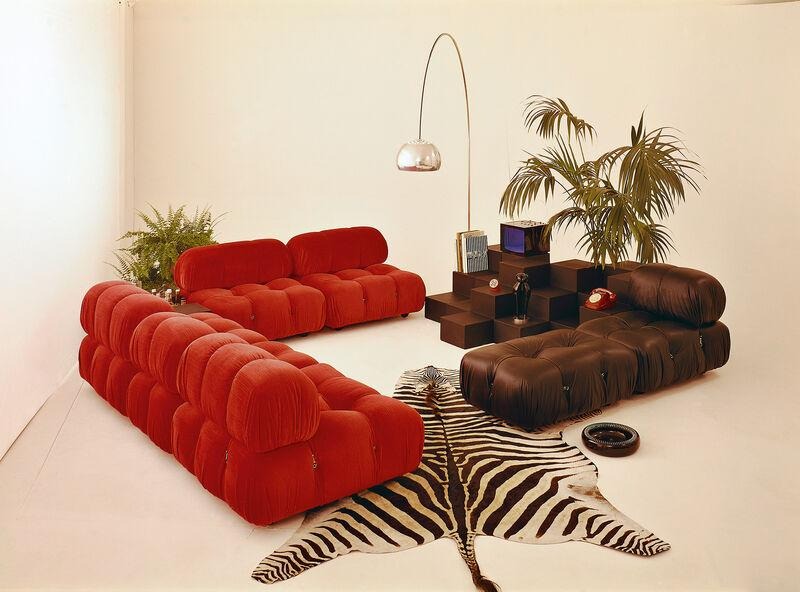
A sectional is typically programmed. A modular sofa is an option where the owners move the blocks around and replace them when necessary.
The Camaleonda was designed in 1970 by Mario Bellini for B&B Italia. It was re-released in 2020, with the same 90 x 90cm seat module, but with sustainable improvements and new padding. Bellini’s aim was to put control of the arrangement in the owner’s hands.
That is great for homes that have rooms with multiple uses. Today, a corner can be a nook, next year, extra party seating. It has rounded edges and ample upholstery, lending it a sculptural quality. That’s why classic sofa designs can evolve and still maintain their style.
4. The Boucle Sofa
The word Boucle is French for a curl or loop. It originally meant a looped yarn, usually wool, but eventually it meant the cloth. It reflects light and heats a flat space.
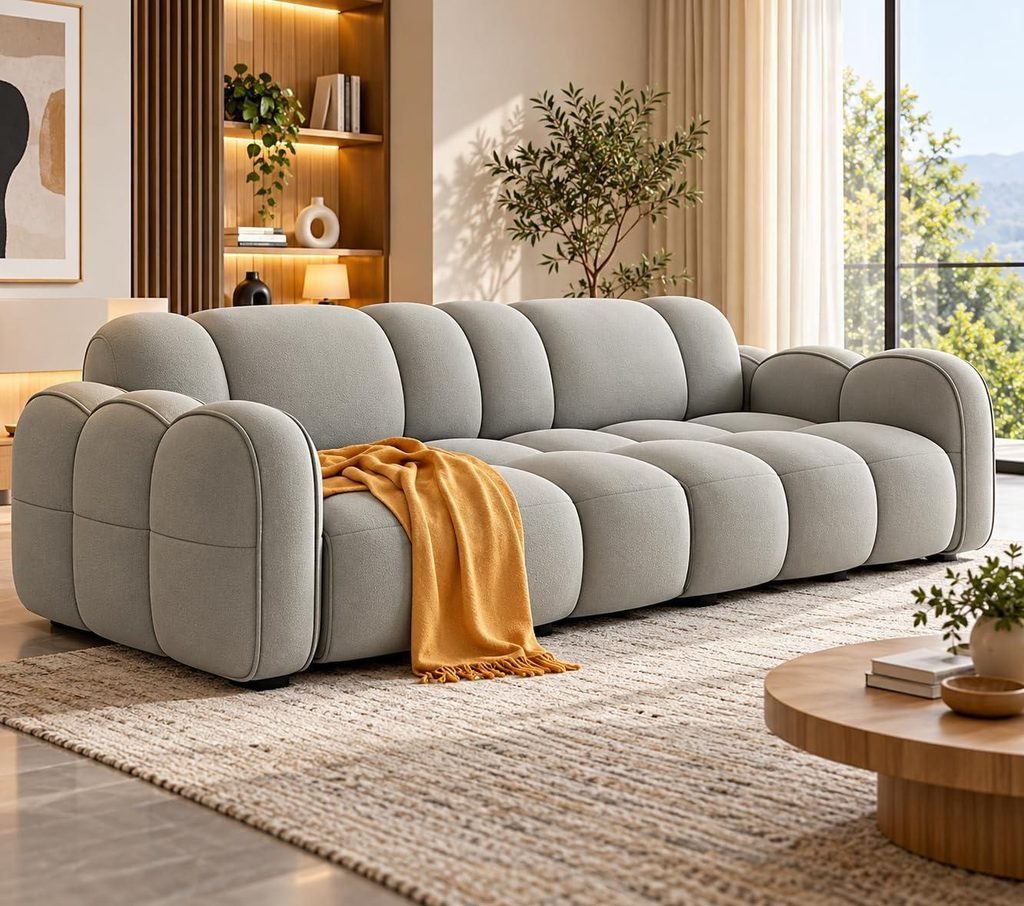
It dates back to mid-century. The Womb Chair designed by Eero Saarinen in 1948 was made with the company’s Classic Boucle. Florence Knoll wanted a chair that was spacious enough to curl up in. Boucle is used today on curved sofas, modular and slim-legged designs. It helps to tone down a Japandi flat or to complement an art deco room.
5. The Chesterfield, Reimagined
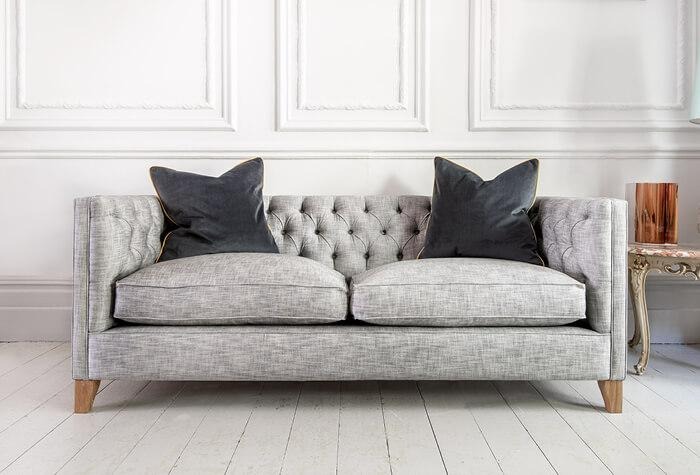
A Chesterfield features low back, arms that roll out and upholstery that is gathered into deep buttons. It’s an obscure origin. It is connected with Philip Stanhope, 4th Earl of Chesterfield (1694-1773), but there is no definite evidence. The style became popular in Victorian houses in the mid-19th century.
It came to be closely linked to leather and gentlemen’s clubs. New versions can be thinner arms and matte leather, linen or velvet. Despite the tufting and balancing, the sofa still has a weighty and permanent presence. Velvet was the more popular choice for deep-buttoned furniture in the 18th century.
6. The Built-In Sofa
This sofa is an integral part of the architecture. It is not an object but rather it becomes a part of the room. The seat may be made of lime plaster or stone. Tadelakt is another Moroccan lime plaster that is polished and sealed with soap to be waterproof. It is traditionally used in a hammam and is now found on built-in seating as well.
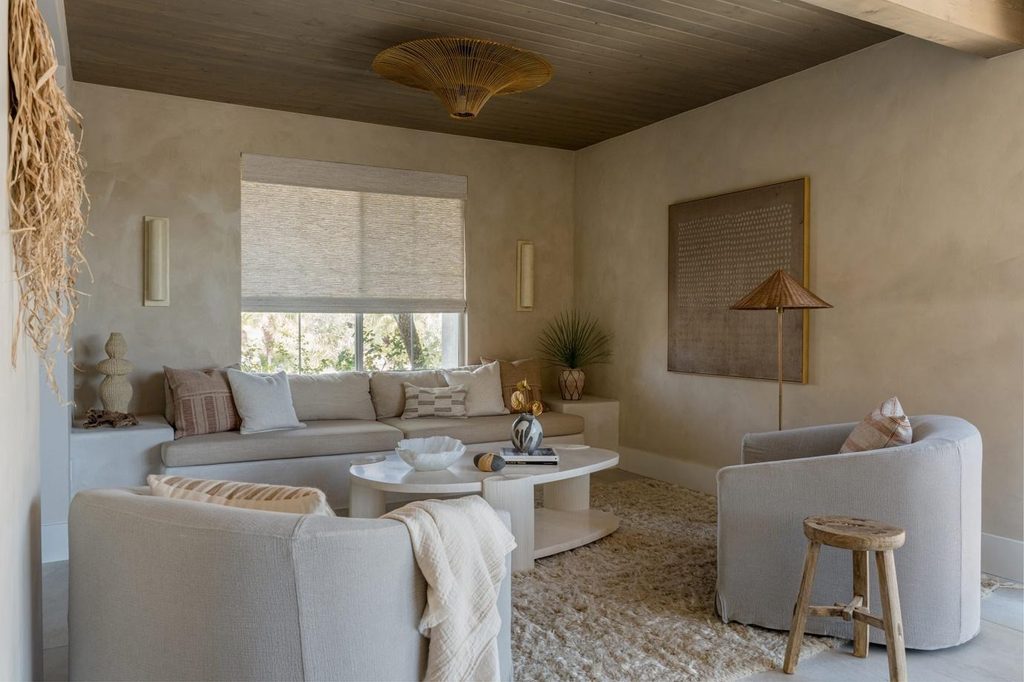
The most successful designs are those that have an uninterrupted flow, such as a raised base that leads to a wall, and then to a window seat. A corner or step turns into a seat. Cushions add a softness.
7. The Low-Slung Lounge Sofa
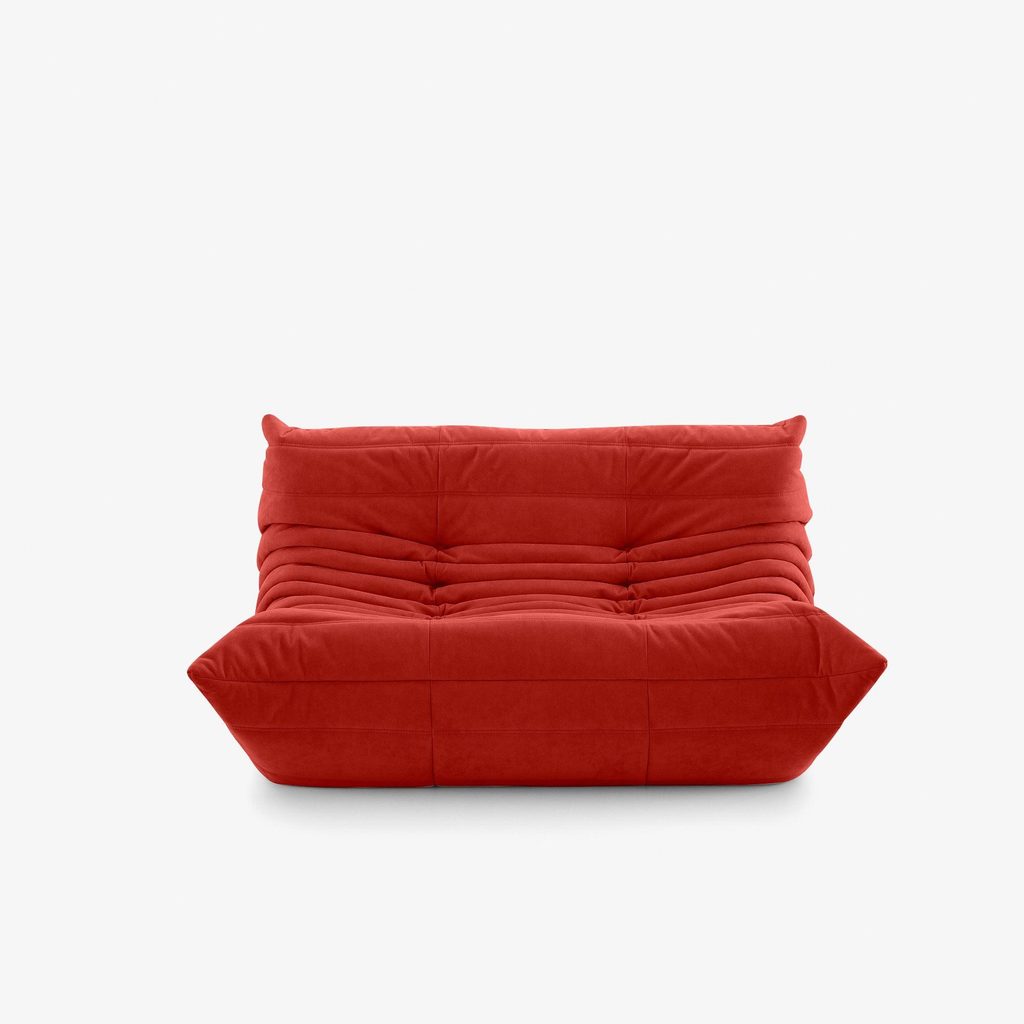
It is located near the ground and is inspired by Japanese tatami living and Indian floor-seating. It alters the mood of a room with its proportions.
Togo was designed in 1973 by Michel Ducaroy for Ligne Roset. It is completely foam and no frame or base. The shape was inspired by a toothpaste tube bent into a loop by Ducaroy. The elongated shape, soft padding and wide arms make it welcoming, and the open bottom edge keeps it light in appearance.
A low seat in a large room can provide a focal point for the room without obstructing the view.
Conclusion
Camaleonda was reintroduced in 2020, fifty years after its original design by Bellini. While some vintage pieces from the 1950’s and 1970’s are returning in a trendy form, there’s a subtle irony here. The demand for classic sofa designs is constantly claiming to be on the cutting edge of design, but ends up copying from old drawings. While a trendy colour choice will soon go out of fashion, a comfortable shape is more likely to remain in style. If you choose based on comfort and quality, you are less likely to be wrong.

James Parker is a writer and curator of all things that make life a little more vibrant. Whether it’s whipping up delicious meals in the lifestyle, Home decor, or discovering hidden travel gems. On this blog, he shares tips, tricks, and personal anecdotes to help you navigate the wonderful world of men’s fashion, travel, food, etc.]