
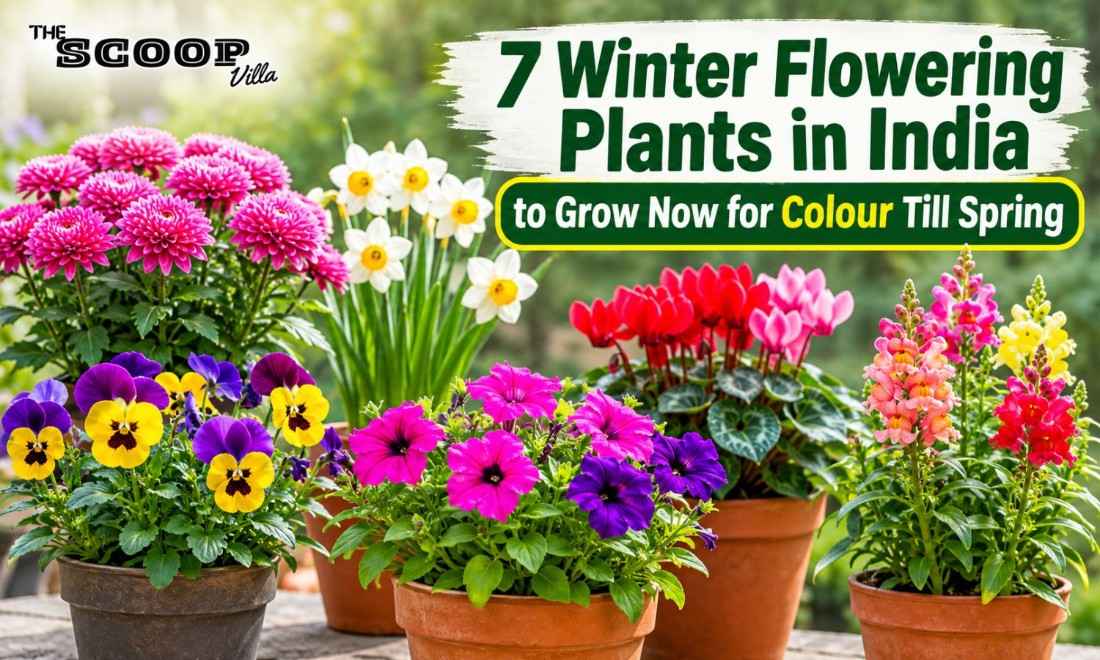
Petunias, marigolds, violas, sweet peas, carnations, snapdragons and nasturtiums will bloom in your Indian gardens during the winter months and into spring. This means you can add some bright colours to your garden, whilst many plants go quiet.
Most of these are annuals and so once sown, they will grow, flower and die within one year. The flowers can be planted in borders, beds, edgings and in pots. Plant them in lines along paths, or around beds and window boxes. Just a few in some pots can transform your balcony into a beautiful garden.
Before You Plant: Timing, Sun and Region
For winter flowering plants in India, sow seeds in October or November. Some seedlings barely grow during the coldest weeks of December and January, then put on fresh growth as spring approaches. There is no need to assume they have failed.
Seedlings transplanted into beds in October or November can flower around February or March. By late November, buying nursery seedlings is the simpler option. November and December suit cool-season flowers across much of central, western and northern India.
In South India, many can be sown through much of the year. Warm, humid coastal weather can still trouble cool-season varieties such as sweet pea. For pots, choose containers with drainage holes. Petunia, dianthus and calendula all grow well in them.
Top 7 Winter Flowering Plants in India
Petunia
Petunia x hybrida has trumpet-shaped flowers in several forms, from small blooms to large ones. It dislikes extreme heat and heavy rain, which can cut short a display. In North India, plant it from October for colour through winter.
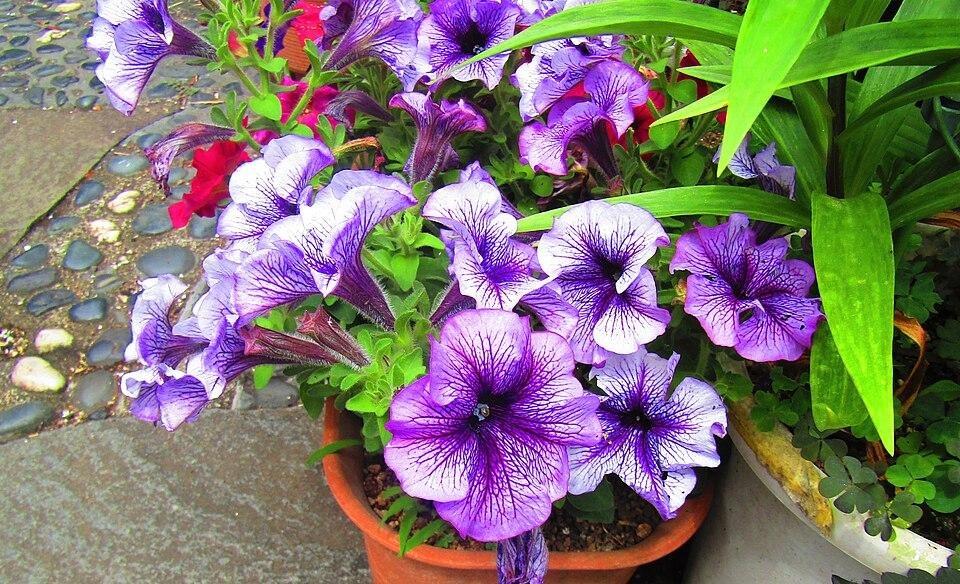
Give it full sun, ideally at least five to six hours of direct light each day. It works in borders and containers, while its spreading growth makes it useful in hanging baskets. Water at the base of the plant rather than over its leaves, since wet foliage can invite fungal problems.
Calendula
Calendula officinalis is often called pot marigold, though it is different from the familiar genda marigold, Tagetes. The names can confuse gardeners. Its flowers range from straw yellow to deep orange, in single or double forms.
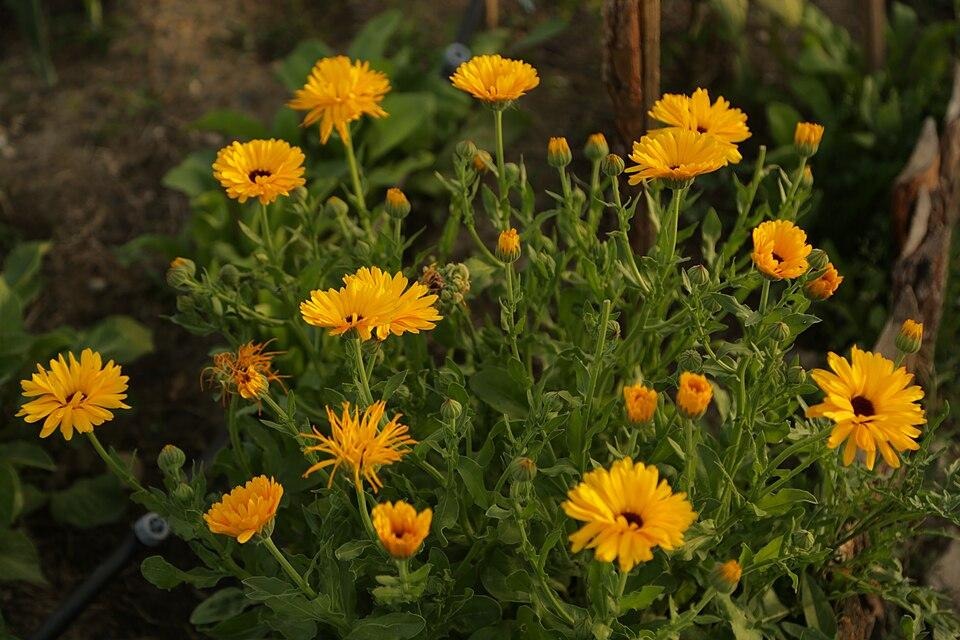
Sow it from September to November for winter colour. Flowers usually appear about 60 to 80 days after sowing. Remove faded blooms as they finish. This deadheading encourages fresh flowers. Calendula fits easily into beds, pots and window boxes.
Pansy
Viola x wittrockiana grows in pots, beds and borders across India, including Jammu and Kashmir. Its flowers come in almost every colour. Many have blotches, stripes or contrasting marks that give each bloom a distinctive face.
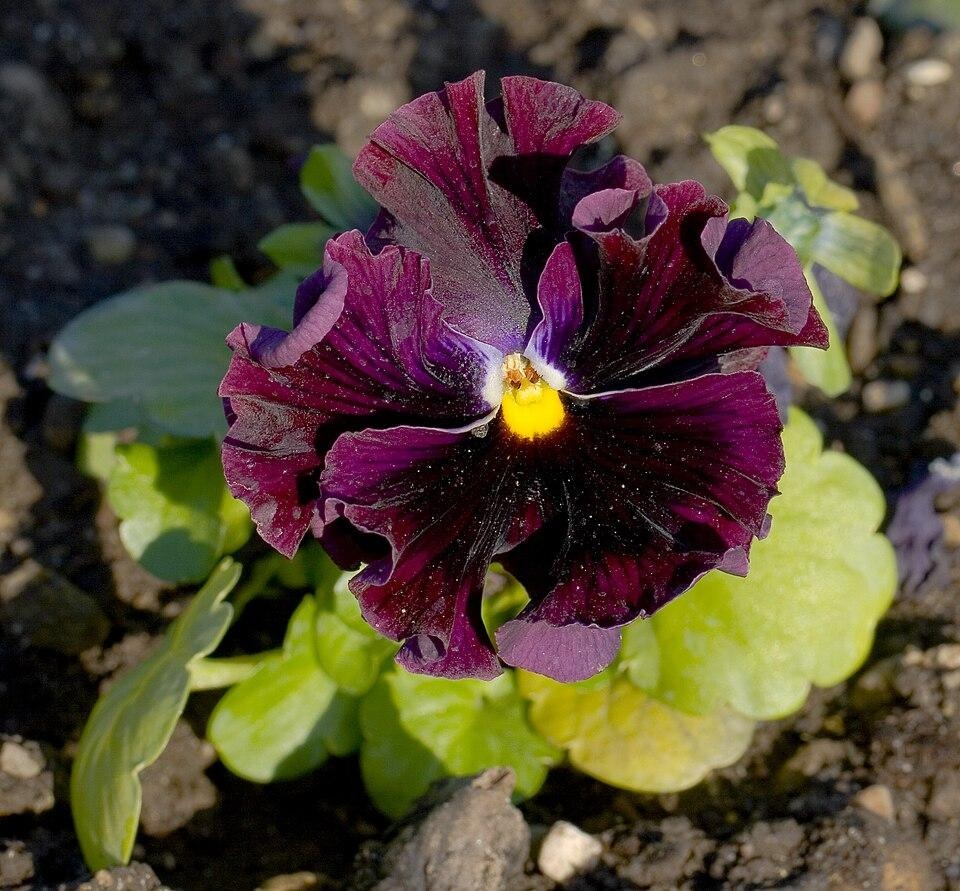
Pansies stay low, usually about 15 to 25 cm tall, so they work well along an edge. They grow in full sun or partial shade and can sit beneath taller plants. A severe cold spell may pause flowering. The display often resumes when temperatures rise.
Sweet Pea
Lathyrus odoratus is a climbing annual that can reach about 8 ft in good soil. Give it a trellis, fence or a set of canes to climb. Most varieties carry a strong scent, and their wide colour range suits a vase as well as the garden.
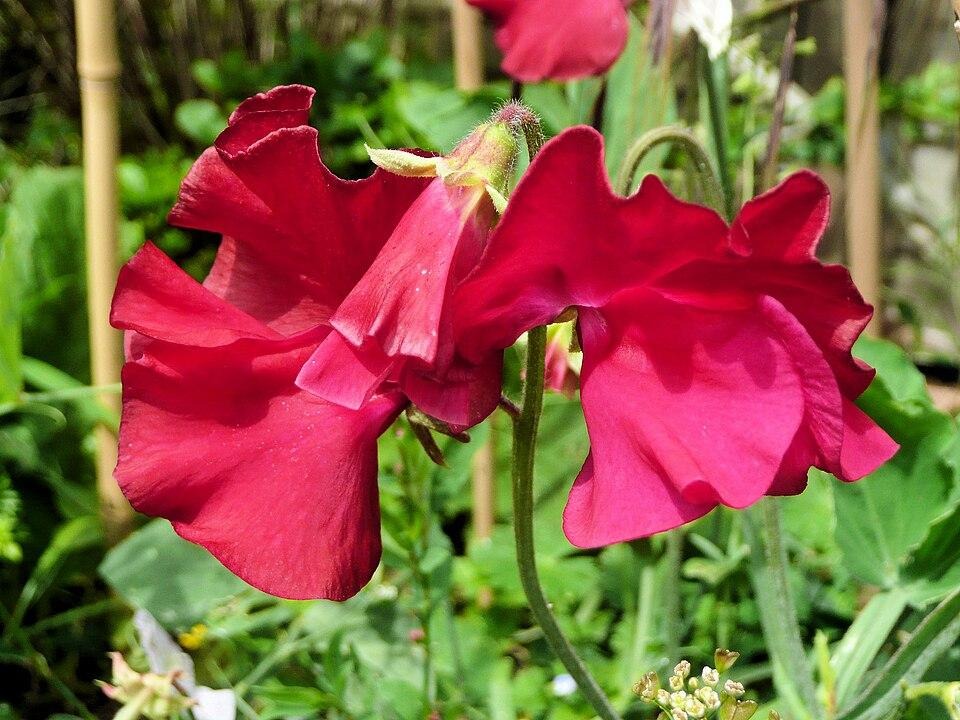
They thrive in hill stations, but the plains suit only early-flowering strains. Warm, humid coastal areas are poor territory for sweet peas. Their hard seed coat can slow germination, so nick it lightly before sowing to help water enter. Pick flowers often. Once seed pods form, flowering stops.
Dianthus
Dianthus bears fringed, scented flowers that resemble small carnations, usually from winter into early spring. Sweet William types produce rounded clusters at the tips of their branches.
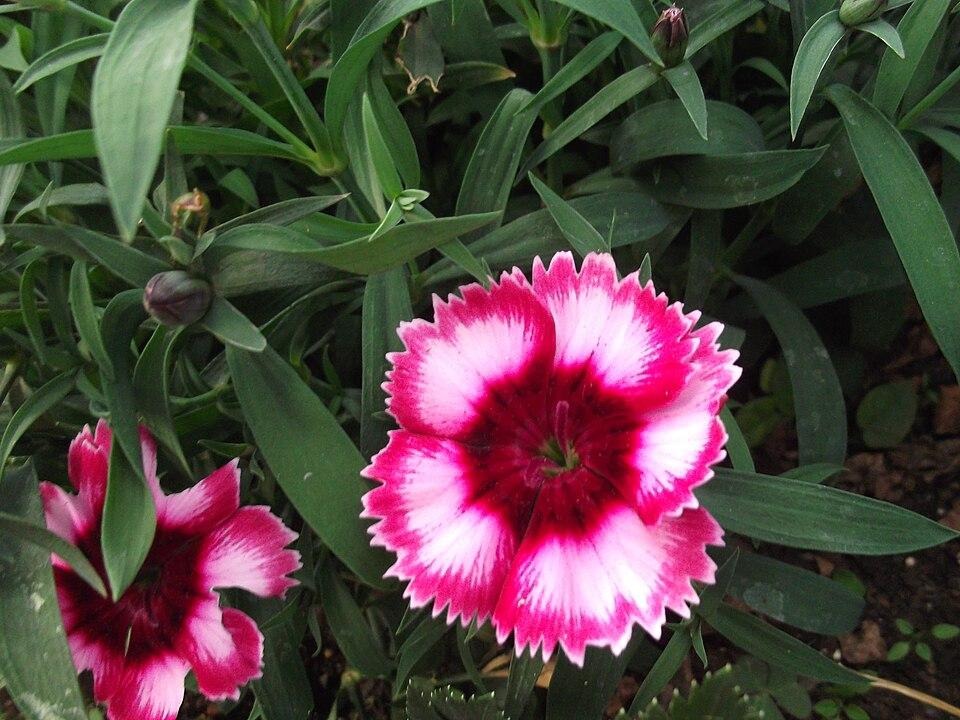
Plant it in full sun and well-drained soil. Roots dislike sitting in wet ground, so use pots or raised beds if your garden soil stays damp. Dianthus suits beds, borders, rock gardens and window boxes. In South India, it may return the following year.
Snapdragon
Antirrhinum majus takes its name from the Greek for “like a nose”, a reference to its snout-shaped flower. Its blooms grow along upright spikes.
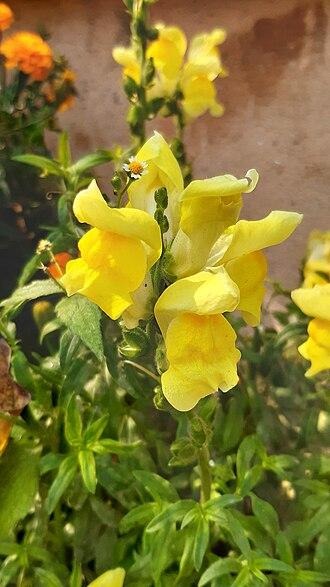
Dwarf varieties reach about 15 to 30 cm, while tall types can grow to around 1 m. That height adds a vertical line to a flower bed. In India, snapdragons are grown as winter annuals and struggle when hot weather arrives. Pinch young plants when they reach 3 to 4 inches tall. This encourages bushier growth and more flower spikes. Use them in beds, pots or as cut flowers.
Nasturtium
Tropaeolum majus, also called Indian cress, is native to South and Central America. Sow it in India from October to February. Its leaves, flowers and seeds are edible and have a peppery taste.
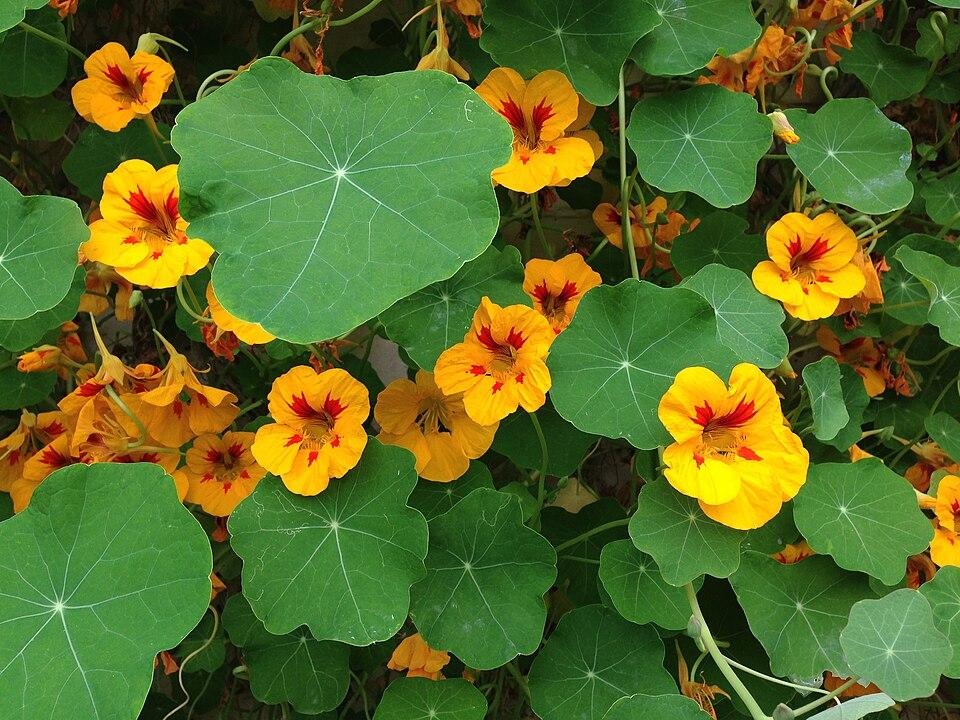
Nasturtium likes full sun and poor soil. Rich earth or extra fertiliser often produces plenty of leaves but fewer flowers, so resist the urge to feed it. Trailing and climbing types can spread a long way. Dwarf, bush-shaped varieties are available too.
Quick Guide
| Plant | Light | Habit | Best spot |
| Petunia | Full sun | Spreading/trailing | Hanging baskets, pots |
| Calendula | Full sun | Bushy | Beds, window boxes |
| Pansy | Sun or part shade | Low, 15-25 cm | Edging, pots |
| Sweet pea | Full sun | Climber | Trellis, fence |
| Dianthus | Full sun | Low, clustered | Rock gardens, pots |
| Snapdragon | Full sun | Upright spikes | Back of beds, cut flowers |
| Nasturtium | Full sun | Trailing | Poor soil, edges |
Conclusion
Among winter flowering plants in India, nasturtium is the pick if you have room for only one. It asks for little fuss and has a rare preference for poor soil. Skip the fertiliser, give it sun, and it is more likely to spend its energy making flowers than a jungle of leaves.
Then there is the kitchen bonus. Pick a few leaves or blooms, wash them, and add their peppery bite to a salad. Few garden plants offer such a practical return. Nasturtium is generous, provided you resist the urge to help it too much.

Swati Singh is a Culture & Lifestyle Writer with a Bachelor of Arts in English from the University of Delhi. She covers trending stories and fresh perspectives on fashion, beauty, wellness, relationships, cultural traditions, and modern living. With a passion for storytelling, she explores emerging lifestyle trends, seasonal celebrations, popular culture, and everyday topics that matter to readers. Her goal is to deliver engaging, informative, and relatable content that helps readers discover new ideas, stay updated on changing trends, and find inspiration in everyday life.