
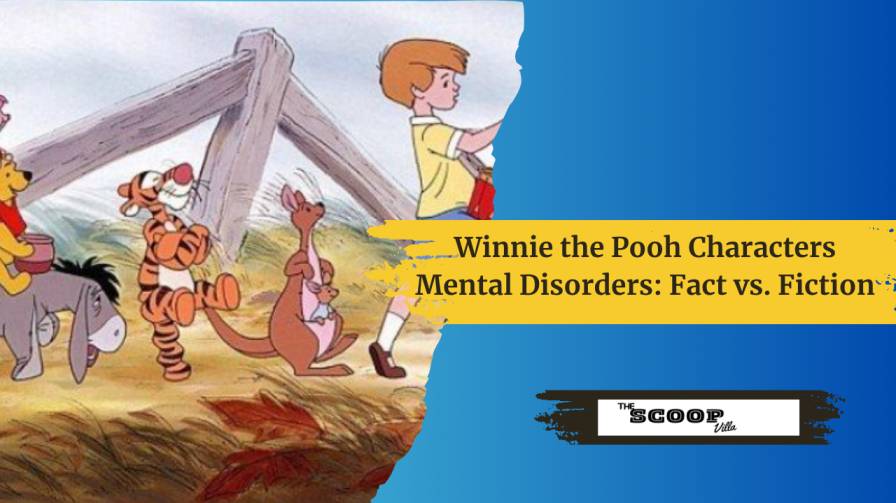
The residents of the Hundred Acre Wood have been comforting children and adults for almost 100 years. But in the last few years, a new perspective has been added to these cherished characters. “Perhaps you’ve seen posts about Winnie the Pooh characters mental disorders go viral, or academic papers claiming that the characters are actually representations of different mental illnesses.
This interpretation has been the subject of much controversy. Some people use it to talk about mental health, others think that it musicalizes normal kid behaviours. The truth lies in the origins of these theories and how they connect with the original stories by A.A. Milne.
The Origin of the Pooh Pathology Theory
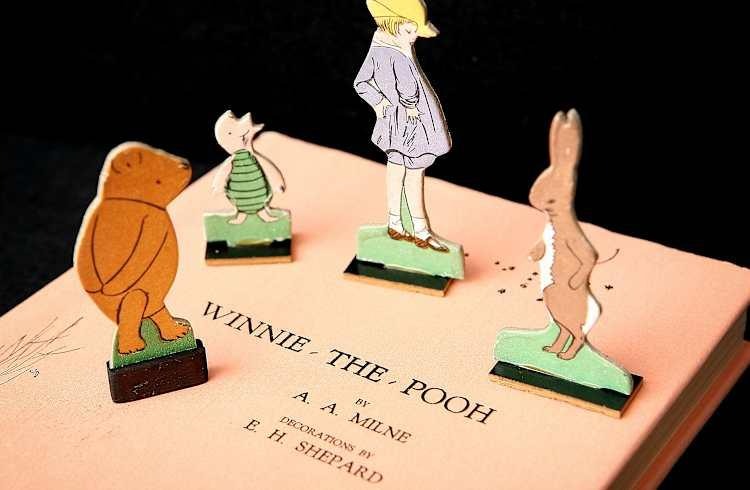
The idea behind Winnie the Pooh characters mental disorders doesn’t mean these characters have to be related to a specific disease. The concept did not begin on TikTok or Reddit. It started with a satirical paper which appeared in the Canadian Medical Association Journal (CMAJ) in December 2000.
Dr. Sarah Shea led the research team which published a paper entitled “Pathology in the Hundred Acre Wood: A neurodevelopmental perspective on A.A. Milne.” The authors said they wanted to demonstrate that seemingly innocent characters can have complicated problems. The paper was meant to be a tongue in cheek criticism of the process of diagnosis, but many readers interpreted it as a clinical analysis. It forever changed the public’s perception of Pooh and his friends.
Eeyore: The Face of Dysthymia
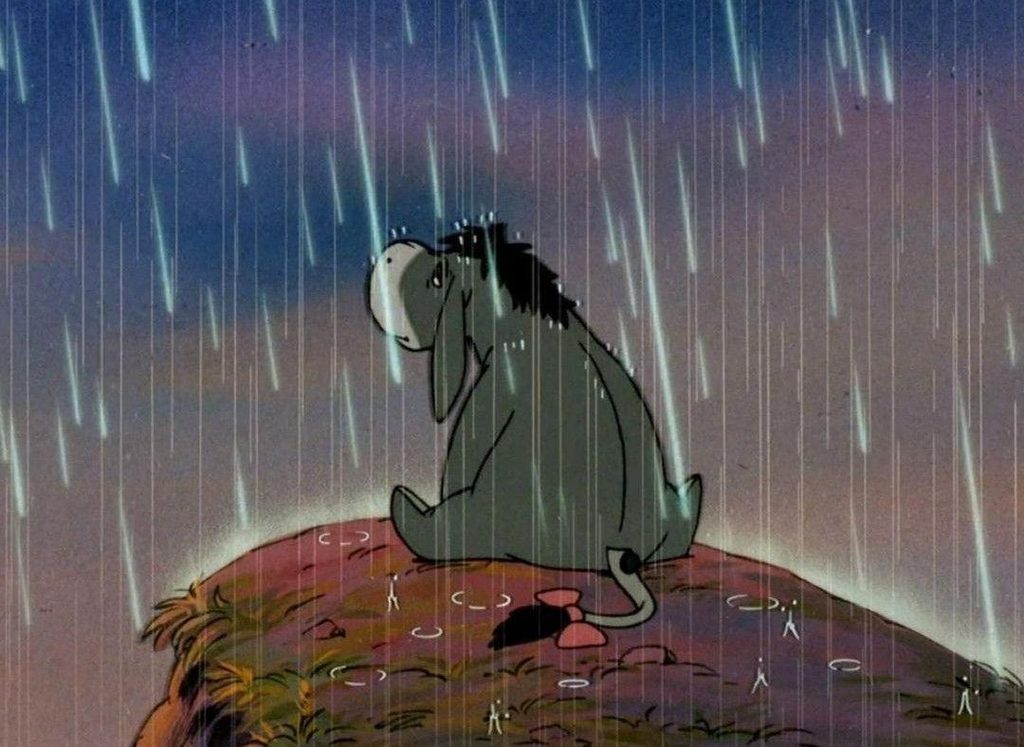
Eyesore’s character is one of constant sadness, negativity and lethargy. These characteristics are very similar to those of Persistent Depressive Disorder (dysthymia) in the modern world of psychology. Eeyore doesn’t get very happy. He has a tendency to think the worst and feels that his friends are not paying attention to him, although they try their best to include him.
It is important to note, however, that no other characters attempt to “fix” Eeyore. They take his melancholy for granted, and it is a valuable lesson in empathy and friendship that is unconditional.
Piglet: Generalized Anxiety Disorder in a Small Package
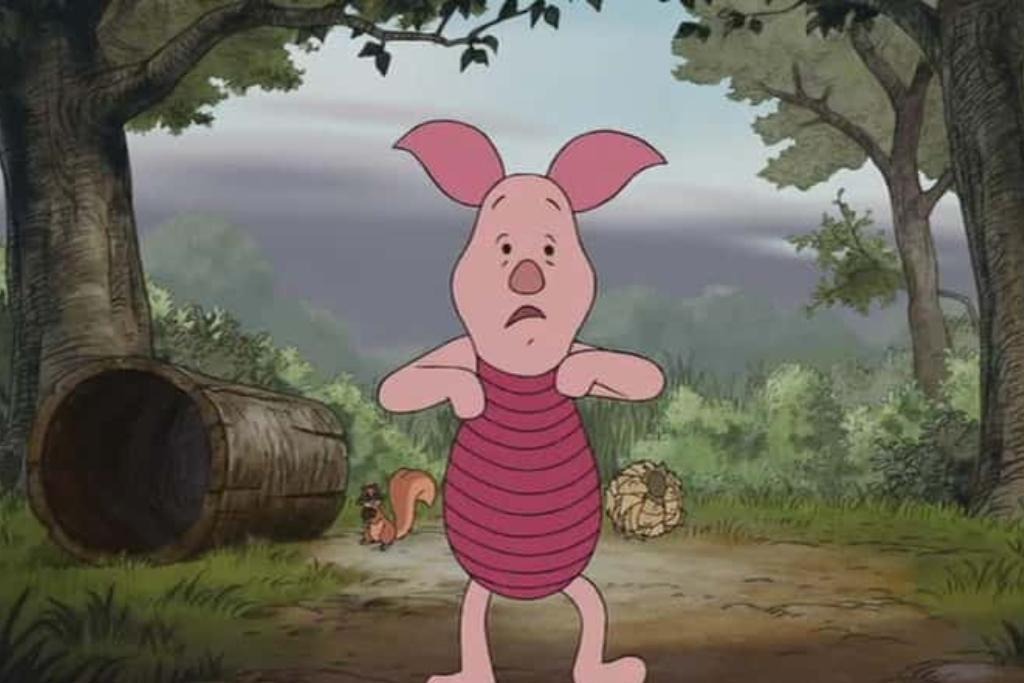
Piglet is always worried and gets panicky about “Heffalumps and Woozles.” He has been associated with Generalized Anxiety Disorder (GAD) by those who look at him psychologically. His symptoms include: Persistent, worrying thoughts about what may happen, stuttering and twitching, and a need for a constant reassurance from others.
It’s even more important that Piglet is brave because he is anxious. He is a courageous character in the series as he joins the adventures even though he is always afraid.
Tigger: ADHD and Hyperactivity
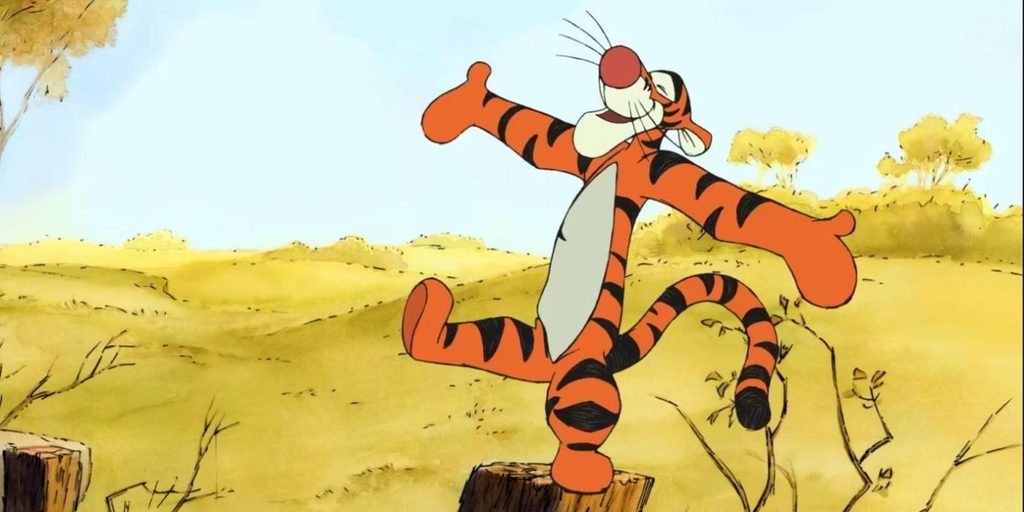
Tigger is the embodiment of high energy. He is impulsive, often interrupts others, literally “bounces” from one activity to the next, regardless of the environment. The following characteristics are related to the symptoms of Attention Deficit Hyperactivity Disorder (ADHD), hyperactive impulsive type.
Tigger doesn’t always think first, he acts first. He can’t sit still and his over-ambitious self-confidence (climbing trees he can’t get down from) are similar to common challenges of children with ADHD.
Winnie the Pooh
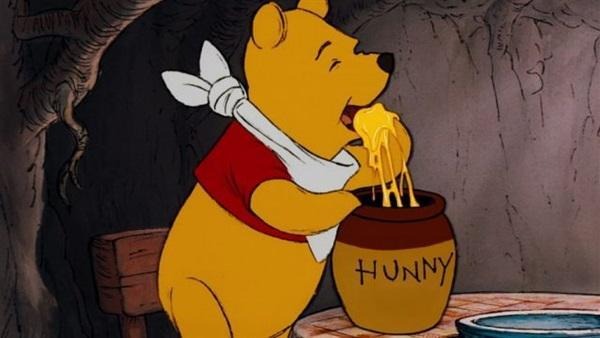
Winnie the Pooh is frequently the target of playful retrospective diagnoses, such as Attention Deficit Hyperactivity Disorder (ADHD) predominantly inattentive presentation. The authors of the original satirical paper in CMAJ pointed out Pooh’s “wandering mind”, forgetfulness, and tendency to drift during conversations, noting that these were characteristics of inattentive ADHD.
The paper also noted that he was obsessed with honey, and that he repeated the same numbers over and over, suggesting OCD tendencies, but it was only a tongue in cheek example of how clinicians can pathologize normal literary traits.
Rabbit
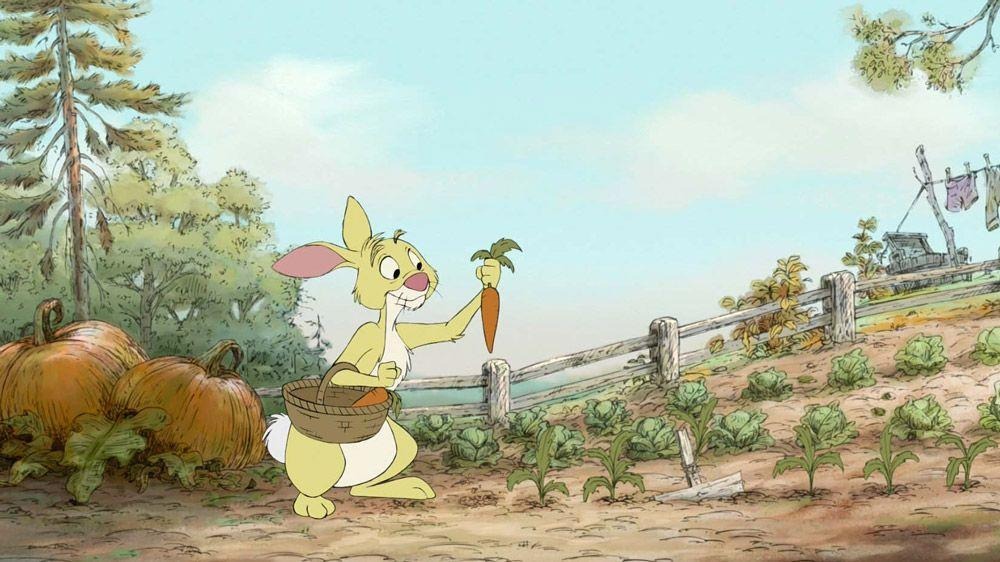
Rabbit is frequently confused with having Obsessive-Compulsive Disorder (OCD), but neither clinical psychology nor the original 2000 CMAJ satire backs this up. The difference between OCD and Rabbit is that OCD has distressing and intrusive thoughts and compulsions, while Rabbit is just a perfectionist.
Rabbit is the bossy, self-important organiser in A.A. Milne’s stories, who loves to schedule, rule and tend to the garden. He is frustrated when people interfere with his plans, which is not a psychiatric disorder, but is a form of micromanagement.
Owl
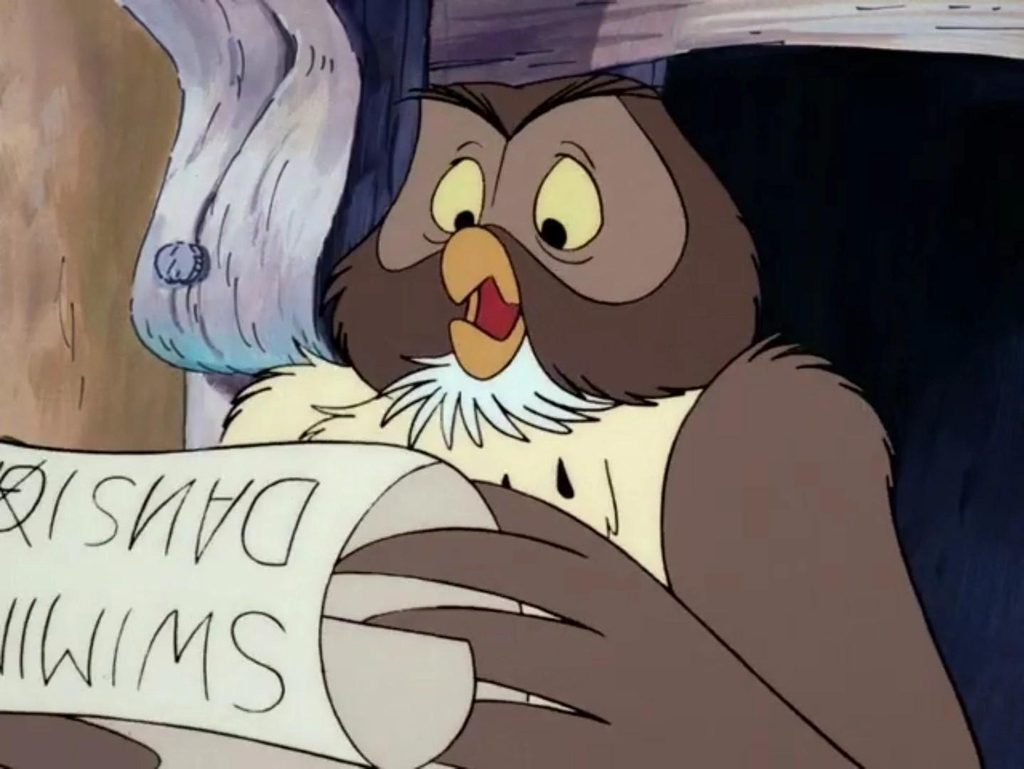
In the modern internet discourse, Owl is often said to be suffering from Narcissistic Personality Disorder (NPD); this is not a diagnosis from the original academic satire, but a result of the modern social media analysis. In the 2000 CMA paper, however, the focus was on Owl’s difficulties with reading and writing, implying that he had dyslexia. Owl is the intellectual leader of the Hundred Acre Wood, but his own literacy is questionable as he has misspelled signs like “PLES RING IF AN RNSER IS REQIRD”
Milne designed Owl to be a parody of Victorian academic affectation, a character who uses a large vocabulary, a long story and unnecessary respect to be socially superior. The diagnosis of NPD for Owl is a bit extreme, as it is really just a literary archetype of harmless over-confidence and self-regard. His spelling mistakes and his grandiose speeches are good light hearted fun about the difference between what he thinks he knows and what he really knows.
Fact Check: Did A.A. Milne Intend This?
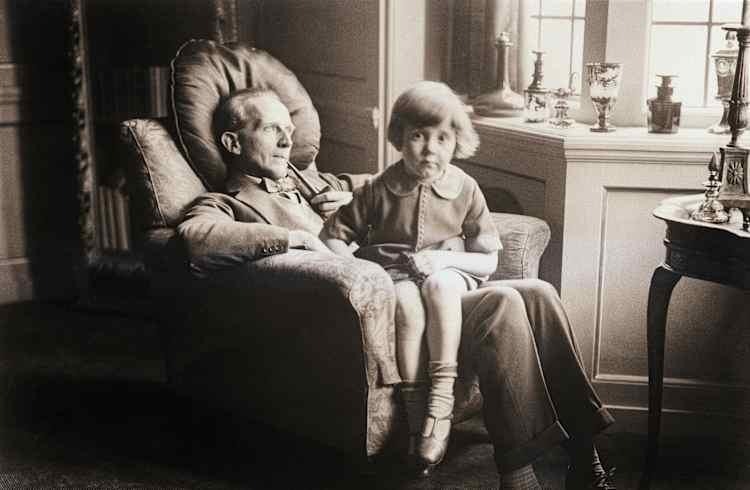
It is important to note that A.A. Milne did not mean to portray mental illnesses in these characters. These are contemporary diagnostic categories that were not in use in 1920, when Milne was writing.
Milne was inspired by his son Christopher Robin and the real stuffed animals that he had. The characters are intended to represent different aspects of the child’s personality and the different “types” of people a child may meet in life.
He was wounded at the Somme and subsequently reported great distress related to the war. There is no formal retrospective diagnosis but some biographical accounts suggest that his symptoms were similar to those of PTSD or shell shock.
He didn’t make toys into a reflection of particular disorders, but he did have a good sense of fragility and the necessity for a “gentle world” such as the Hundred Acre Wood, which could have been shaped by his own psychological issues.
Conclusion
The interpretations of Winnie the Pooh characters mental disorders can be used as a stepping stone to help parents discuss emotions with children. They also highlight a beautiful aspect of the Hundred Acre Wood: the community.
The characters are not mutually exclusive, although they have their idiosyncrasies and problems. They help to keep Rabbit tidy, they wait for Eeyore, and they look after Piglet. The Hundred Acre Wood is not a place where patients are kept, it is a demonstration of a community that is supportive, inclusive and accepting of all as they are.
FAQs
1. Who started the idea of Winnie the Pooh characters mental disorders?
The theory dates back to a 2000 paper in the Canadian Medical Association Journal. Dr. Sarah Shea led the paper which made a tongue-in-cheek point about how easy it is to diagnose everyday behaviours. The joke was later taken to a far greater extent by the internet.
2. What mental disorder is Winnie the Pooh supposed to have?
Pooh has been playfully linked to inattentive ADHD due to his forgetfulness, wandering mind and his tendency to drift in conversations. His peculiar obsession with honey and repetitive movements were also mentioned in the original satire.
3. Did A.A. Milne intentionally give his characters mental illnesses?
No evidence exists of Milne’s intention to portray specific mental illnesses in the characters. These modern interpretations use the diagnostic categories which were not a part of the original conception of the characters. The characters were inspired by his son Christopher Robin and his actual stuffed animals.
4. Why do people associate Winnie the Pooh with mental health?
Each character is unique and easy to relate to on an emotional level. Of course, modern audiences recognize familiar characteristics in Eeyore, Piglet, Tigger and Rabbit, all of whom have their own distinct personalities. The interpretations may be helpful in talking about feelings, but should not be used as a medical diagnosis.



Adam Smith is a health and wellness content writer dedicated to delivering accurate, accessible, and informative health information. Their areas of coverage include nutrition, fitness, preventive health, mental well-being, lifestyle, common health concerns, and emerging wellness trends.