
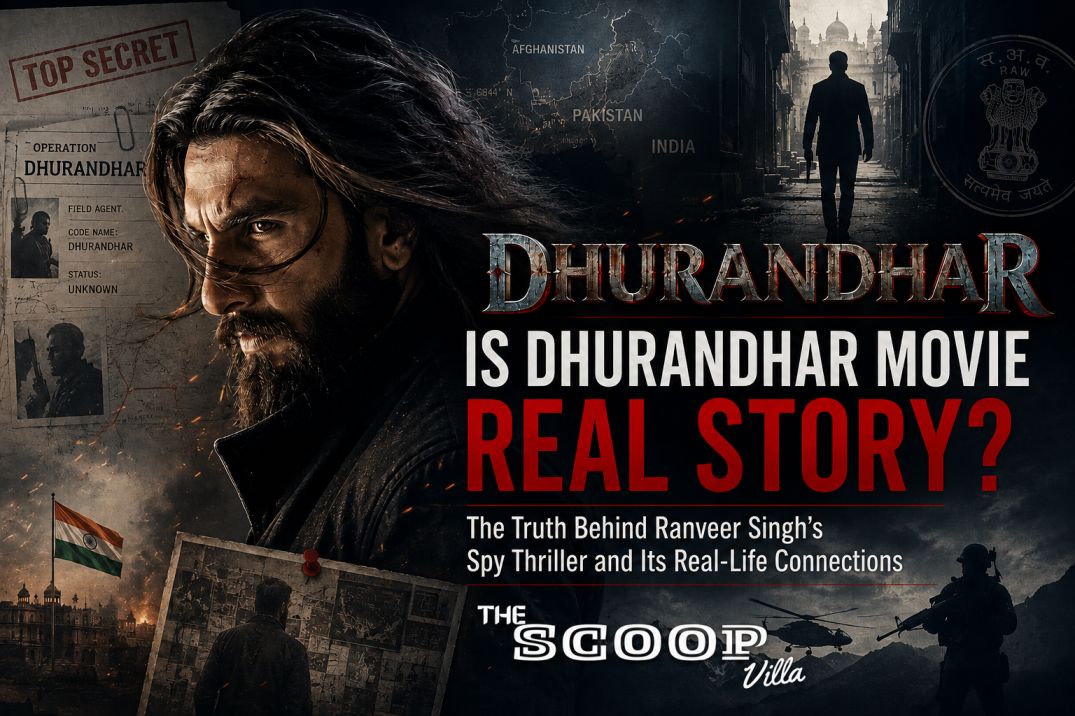
Many spy thrillers ask the audience to suspend disbelief from the very beginning. Dhurandhar: The Revenge takes a different course. However extravagant its action may seem, it keeps returning to a world that feels recognisable, and that is why the film leaves a stronger impression than most. It also raises an obvious question: is Dhurandhar movie real story or simply inspired by real events
The answer is fairly clear. There is no evidence that an Operation Dhurandhar ever existed, and the film is not known to be built around any single real-life mission. Hamza Ali Mazari, played by Ranveer Singh and later revealed to be Jaskirat Singh Rangi, is likewise a fictional character, despite repeated speculation that he was partly inspired by Indian Army officer Major Mohit Sharma.
Yet the film is not cut loose from reality. Instead of retelling one historical operation, it draws upon the methods and conflicts that have shaped real counterterrorism efforts. Having spent years working his way into a terrorist network, Hamza now sets out to dismantle the same organisation from within.
Is Dhurandhar Movie Real Story?
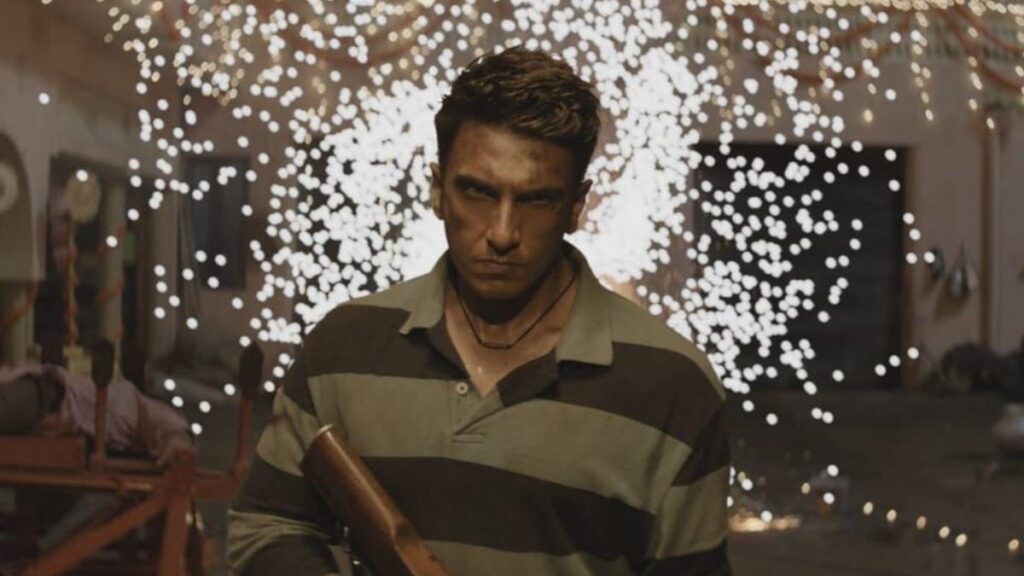
If you’re wondering is Dhurandhar movie real story, the answer is no. But it’s not just a stroke of genius. The film takes bits of real conflict, real secret work, real political tension and ties them together into one story. The drama is bigger than life, as one would expect from a mainstream Bollywood film, but the base is not wholly fictional.
How Real Intelligence Operations Influence the Film’s Storyline
That’s when it’s more difficult to distinguish fiction from reality. The story is fictional, but the theme of the story is not. The intelligence services have always targeted people they deemed to be serious threats. These operations are seldom made public and many are still a matter of speculation. Like many other intelligence services, India’s R&AW has been linked, rightly or wrongly, to missions of this nature that leave few footprints. They’re easy to understand: to prevent a threat from turning into an attack.
Governments seldom admit to such operations in public. They prefer silence, and silence leaves room for conjecture. Saare Jahan Se Accha explored this uncertain ground with unusual clarity. In recent years, reports and public debate have returned again and again to the subjects of targeted strikes, covert campaigns, and intelligence work across borders. Much of that discussion has centred on the fight against terrorism.
Why the 26/11 Mumbai Attacks Remain Central to the Film’s Emotional Core
https://www.instagram.com/p/DadANGfDClu/?utm_source=ig_web_copy_link&igsh=MzRlODBiNWFlZA==
The emotional force behind Dhurandhar: The Revenge comes from the memory of the 26/11 Mumbai attacks. In the world of these two films, every major terrorist strike traced back to Pakistan pushes the story in a new direction. The desire for revenge grows from those events.
The connection to reality is easy to see. The attacks of 26/11 marked a decisive moment in India’s security policy. They brought greater attention to intelligence sharing, tighter coordination between agencies, and the belief that waiting for an attack was no longer enough. Preventing the next one became the greater priority.
The Real Debate Around Terror Networks, Politics, and Organised Crime
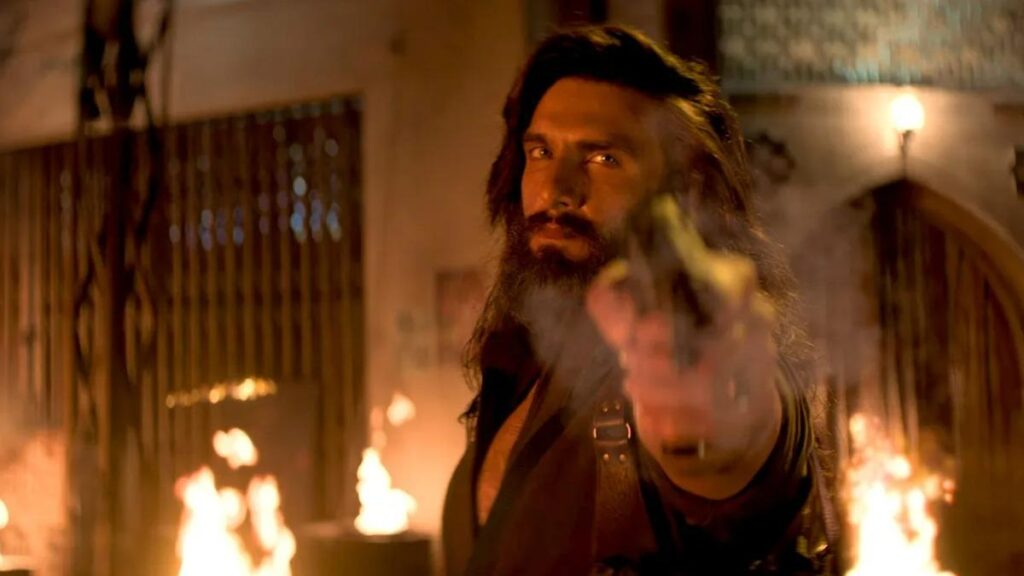
One of the more interesting ideas carried over from the first film is that terrorism does not exist on its own. Dhurandhar: The Revenge presents it as part of a wider system. Militant groups, political interests, and criminal networks all feed into one another. The film treats them as different parts of the same machine.
The idea itself is not without support. Over the years, several investigations have pointed to links between organised crime, political influence, and the financing of terrorist groups in Pakistan. The extent of those links remains a matter of debate, but the broader pattern has appeared often enough to attract serious attention.
Who Does Bade Sahab Represent? Decoding the Film’s Most Talked-About Character
No character has prompted more speculation than Bade Sahab. Some viewers believe he borrows traits from real figures, and Dawood Ibrahim is the name mentioned most often. That may be true. It may also be entirely false. For viewers still asking, is dhurandhar movie real story, the film never asks to be read as a direct account of history.
Bade Sahab serves a different purpose. He stands for a system rather than a single man. In the end, Hamza is not merely hunting an individual. He is taking aim at the network and the idea that keep men like Bade Sahab in power.
Conclusion
Any evidence or a public record does not suggest the existence of an operation named “Dhurandhar”. The movie establishes a fictional mission on its own, while taking on some of the characteristics of intelligence services and clandestine counterterrorism ops.
The movie’s fictional setting is the aftermath of the 26/11 attacks and its emotional and political impact. The plot is imaginary, but the attacks are a key event in India’s security history, providing a strong backdrop for a tale of retribution and national security.
FAQs
1. Is Dhurandhar: The Revenge based on a true story?
No. Dhurandhar: The Revenge is not a fictionalization of a real spy mission, it’s a fictional spy thriller. It has themes about real-world counterterrorism and covert operations, though, and geopolitical tensions, giving the fictional world a surprisingly realistic feel. See it in the context of reality in a Bollywood disguise.
2. Is Ranveer Singh’s character Hamza Ali Mazari inspired by a real person?
It is not officially confirmed if Hamza Ali Mazari or Jaskirat Singh Rangi is based on a real person or not. Some fans have pegged him with a renowned Indian Army officer Major Mohit Sharma but the film makers have not been on the same page.
3. Is the character Bade Sahab based on Dawood Ibrahim?
The name Bade Sahab isn’t mentioned at all as the name of any real person or Dawood Ibrahim. Though there have been some parallels and comparisons, the character seems to be a symbolic figure of organised crime, terrorism and the networks in between and not a straightforward depiction of a single individual.

Amit Gupta is a 2016 graduate of Delhi University, India. After working over a decade as an additional writer at TheScoopVilla, he decided to start his own news publication. His coverage focuses on celebrity updates, film announcements, movie releases, entertainment trends, celebrity profiles, career stories and developments from the Indian entertainment industry. Through his articles and editorials, Amit aims to provide readers with timely, informative and engaging entertainment coverage. Follow On Facebook.